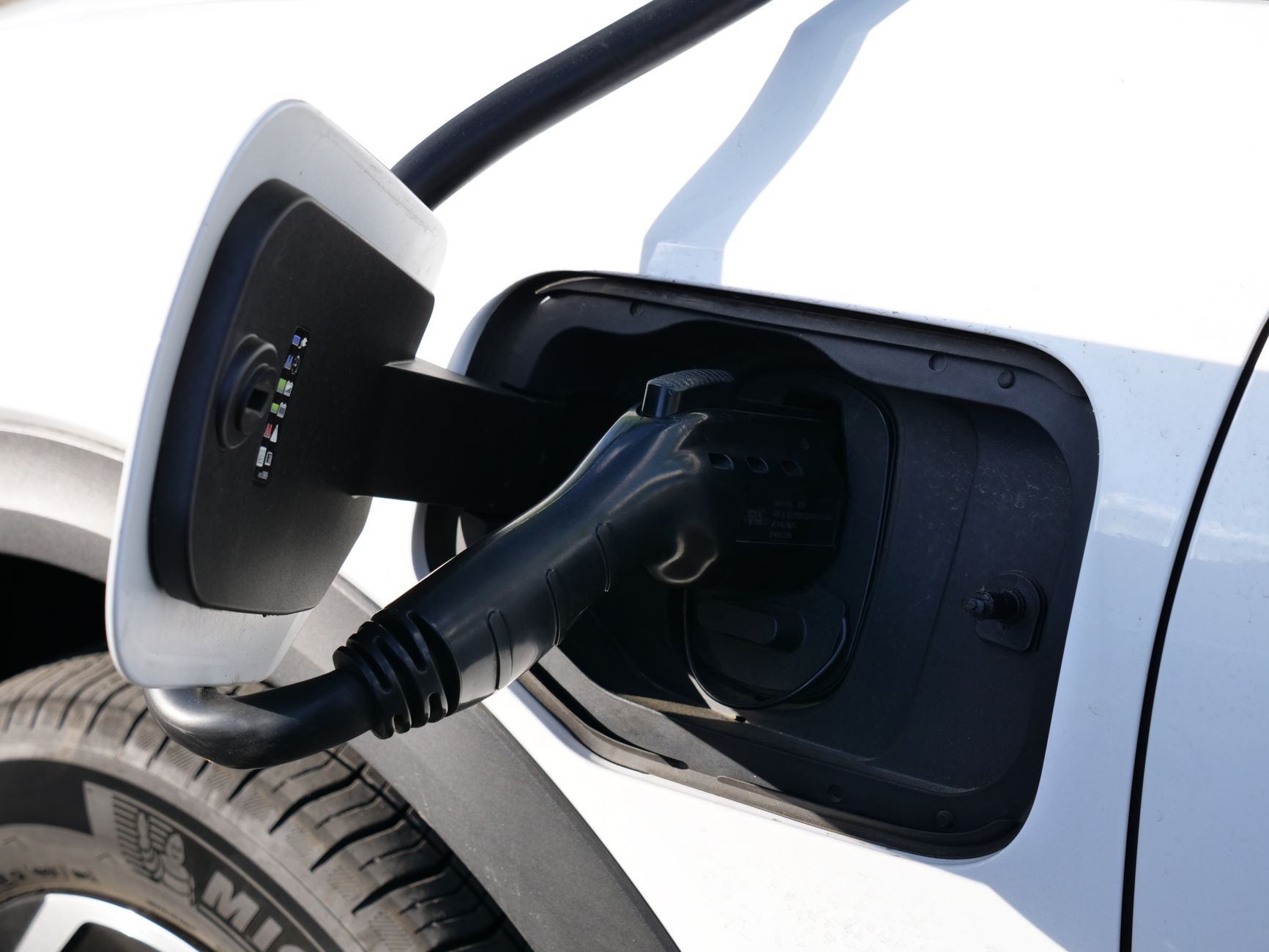
Charging as a Service is set to revolutionize the electric vehicle landscape, with projections indicating it will reach USD 2,076.5 million by 2034. This growth highlights the increasing demand for convenient and accessible charging solutions.
Understanding Charging as a Service
Charging as a Service (CaaS) is emerging as a pivotal solution for electric vehicle (EV) owners seeking convenience and reliability. This innovative approach allows users to access charging infrastructure without the need for significant upfront investment in equipment or installation. Instead, EV owners can subscribe to a service that provides them with the charging they need, often with flexible pricing options.
As the market for electric vehicles grows, the demand for accessible charging solutions has also increased. CaaS providers typically offer a network of charging stations that can be accessed via mobile apps or smart cards, making the process seamless for users. This model can be particularly attractive for those living in urban areas where personal charging stations may not be feasible.
Key benefits of Charging as a Service include:
- Cost Efficiency: Reduces the need for high initial capital outlay on charging equipment.
- Convenience: Users can locate and access charging stations easily through technology.
- Scalability: As more EVs enter the market, CaaS can adapt to growing demands without requiring individual users to make significant investments.
With projections indicating that the CaaS market will reach USD 2,076.5 Million by 2034, it is clear that this model is set to play a crucial role in the future of EV charging solutions.
Market Growth Projections
The Charging as a Service market is experiencing remarkable growth, with projections indicating that it will reach approximately USD 2,076.5 million by the year 2034. This rapid expansion is attributed to several factors driving the adoption of electric vehicles (EVs) and the need for convenient charging solutions.
According to industry analysts, the key drivers of this market growth include:
- Increased EV Adoption: As more consumers switch to electric vehicles, the demand for reliable charging solutions surges.
- Technological Advancements: Innovations in charging technology, such as faster charging options and smart grid connectivity, are enhancing the user experience.
- Government Incentives: Many governments are offering incentives for EV purchases and infrastructure development, further boosting the market.
- Sustainability Awareness: Growing environmental concerns are propelling consumers toward electric vehicles and, consequently, charging solutions.
Additionally, the shift towards Charging as a Service allows businesses and consumers to access charging facilities without the need for substantial upfront investment. This model provides flexibility and scalability, catering to the diverse needs of urban and rural areas alike. As the market evolves, it is expected that the integration of renewable energy sources will further enhance the appeal of charging as a service among eco-conscious consumers.
Benefits of Charging as a Service
The rise of electric vehicles (EVs) has led to innovative solutions for charging infrastructure, with Charging as a Service (CaaS) emerging as a popular option for many EV owners. This model presents several advantages that can greatly enhance the ownership experience.
- Cost Efficiency: CaaS eliminates the need for significant upfront investments in charging equipment. Users can access charging stations through a subscription model, which can be more affordable and flexible.
- Convenience: With CaaS, EV owners can easily locate and use charging stations without the hassle of installation and maintenance. This service often includes mobile applications that provide real-time data on station availability.
- Scalability: As the number of EVs on the road continues to grow, CaaS can quickly adapt to increased demand. Providers can scale their infrastructure to meet the evolving needs of customers without requiring individual owners to upgrade their home charging setups.
- Enhanced Accessibility: CaaS networks often cover broad geographical areas, making it easier for EV owners to find a charging station, particularly in urban and remote locations.
- Sustainability: Many CaaS providers are investing in renewable energy sources, ensuring that the electricity used for charging is environmentally friendly, aligning with the values of eco-conscious consumers.
Overall, Charging as a Service is proving to be a viable option for EV owners looking for flexibility, affordability, and convenience in their charging solutions.
Challenges Facing the Industry
As the Charging as a Service (CaaS) model gains traction, it faces several challenges that could impact its widespread adoption among electric vehicle (EV) owners. These challenges stem from a combination of technological, economic, and regulatory factors.
- Infrastructure Development: One of the primary hurdles is the need for extensive infrastructure investment. Many regions lack the necessary charging stations, and building this infrastructure can be costly and time-consuming.
- Standardization: The lack of standardized charging protocols poses a significant issue. Without a unified system, interoperability between different CaaS providers and EV models can be challenging, leading to customer frustration.
- Pricing Models: While CaaS aims to offer flexible pricing options, the variability in costs can confuse consumers. Establishing clear and competitive pricing structures is vital for attracting EV owners.
- Regulatory Environment: The regulatory landscape continues to evolve, and navigating these changes can be complex for CaaS providers. Ensuring compliance with local laws and incentives is crucial for success.
- Consumer Awareness: Many potential users remain unaware of the benefits of Charging as a Service. Educational campaigns are necessary to inform consumers about how CaaS can meet their charging needs.
Addressing these challenges will be essential for the growth and success of Charging as a Service in the evolving EV market.
Key Players in the Market
The Charging as a Service (CaaS) market is rapidly evolving, attracting a variety of key players that contribute to its growth and development. These players encompass a range of companies, from established energy providers to innovative tech startups, all aiming to enhance the electric vehicle (EV) experience.
- Utility Companies: Major utility companies are increasingly investing in CaaS to expand their service offerings. By providing charging solutions, they can leverage their existing infrastructure and customer base, making EV charging more accessible.
- Charging Network Operators: Companies like ChargePoint and EVgo are at the forefront, building extensive networks of charging stations. Their focus on user-friendly interfaces and membership plans makes EV charging convenient for consumers.
- Automakers: Several car manufacturers, including Tesla and Ford, have begun integrating CaaS into their business models. This allows them to offer seamless charging solutions to their customers, enhancing the overall ownership experience.
- Technology Companies: Tech firms are entering the market with innovative solutions, such as smart charging apps and payment systems, which streamline the charging process and provide users with better control over their energy consumption.
As the market for Charging as a Service continues to expand, these key players will play crucial roles in shaping the industry’s future, addressing both consumer needs and sustainability goals.
Consumer Adoption Trends
As electric vehicles (EVs) gain popularity, consumer adoption trends for Charging as a Service (CaaS) are becoming increasingly significant. Recent studies indicate a growing preference among EV owners for flexible charging solutions that enhance convenience.
Factors influencing this trend include:
- Cost-Effectiveness: Many consumers find CaaS appealing due to its potential for reducing upfront costs associated with purchasing charging infrastructure.
- Convenience: CaaS allows users to access charging stations without the need to install personal chargers, making it a hassle-free option.
- Increased Availability: The expansion of charging networks ensures that EV owners can find charging points more easily, encouraging greater adoption of electric vehicles.
Furthermore, surveys indicate that many consumers are willing to pay a premium for services that offer fast and efficient charging options. This willingness highlights a shift in consumer mindset, as convenience and accessibility take precedence over traditional ownership models.
As the market for CaaS continues to evolve, trends show that a significant portion of EV owners may prefer subscription-based models, which provide flexibility and support. This shift could reshape how consumers view energy consumption and mobility in the years to come, positioning Charging as a Service as a critical component of the EV charging landscape.
Future of Electric Vehicle Charging
The future of electric vehicle (EV) charging is poised for significant transformation, with Charging as a Service emerging as a pivotal model. As the demand for EVs continues to rise, the need for accessible and efficient charging solutions becomes paramount.
Analysts predict that the Charging as a Service market will reach USD 2,076.5 million by 2034, reflecting a growing acceptance and reliance on this innovative charging approach. This projection is driven by several factors:
- Infrastructure Development: As cities invest in charging infrastructure, the availability of charging stations will increase, making it easier for EV owners to access power.
- Smart Technology Integration: Advances in technology will enable smarter charging solutions, optimizing energy use and minimizing costs for consumers.
- Increased Affordability: With service models reducing upfront costs, more EV owners can benefit from charging without the burden of owning and maintaining infrastructure.
Moreover, as awareness of environmental sustainability grows, consumers are more likely to embrace Charging as a Service, recognizing its potential to enhance the EV ownership experience. This shift not only supports the transition to greener energy but also aligns with global efforts to reduce carbon emissions.
As the industry evolves, stakeholders should remain adaptable to meet the changing needs of EV owners and capitalize on this burgeoning market opportunity.