EV cash subsidy is no longer available in Chandigarh, leaving many potential electric vehicle buyers disappointed and searching for alternatives.
Impact of EV cash subsidy removal
The recent announcement regarding the removal of the EV cash subsidy has left many Chandigarh residents concerned about the future of electric vehicle adoption in the city. With the government discontinuing financial support for electric vehicle purchases, potential buyers are now faced with higher upfront costs, which could deter them from making the switch to cleaner transportation options.
This change is expected to have several significant impacts:
- Increased Costs: The absence of the EV cash subsidy means that residents will need to pay full price for electric vehicles, making them less accessible to the average consumer.
- Slower Adoption Rates: The removal of financial incentives may slow down the transition towards electric mobility, hampering efforts to reduce carbon emissions in the region.
- Market Reaction: Dealerships may struggle to sell electric vehicles, leading to a potential decline in the availability of models and options for consumers.
- Environmental Concerns: The reduction in electric vehicle adoption could undermine Chandigarh’s initiatives to promote sustainability and combat air pollution.
Residents are now left wondering how this decision will affect their choices and the overall environment in Chandigarh.
Alternatives for EV buyers in Chandigarh
As the news of the removal of the EV cash subsidy spreads, Chandigarh residents are left searching for alternatives to make electric vehicle ownership more affordable. While the subsidy was a significant incentive, several options can help mitigate costs.
- Financing Plans: Many banks and financial institutions offer tailored loans specifically for electric vehicles, which can make purchasing easier without the immediate benefit of a cash subsidy.
- Leasing Options: Leasing an EV can be a cost-effective alternative. This option allows buyers to enjoy the benefits of an electric vehicle without the full financial commitment of buying one outright.
- Government Incentives: While the local cash subsidy may be gone, other state and central government schemes could still provide tax benefits or rebates that can help offset the costs of EV ownership.
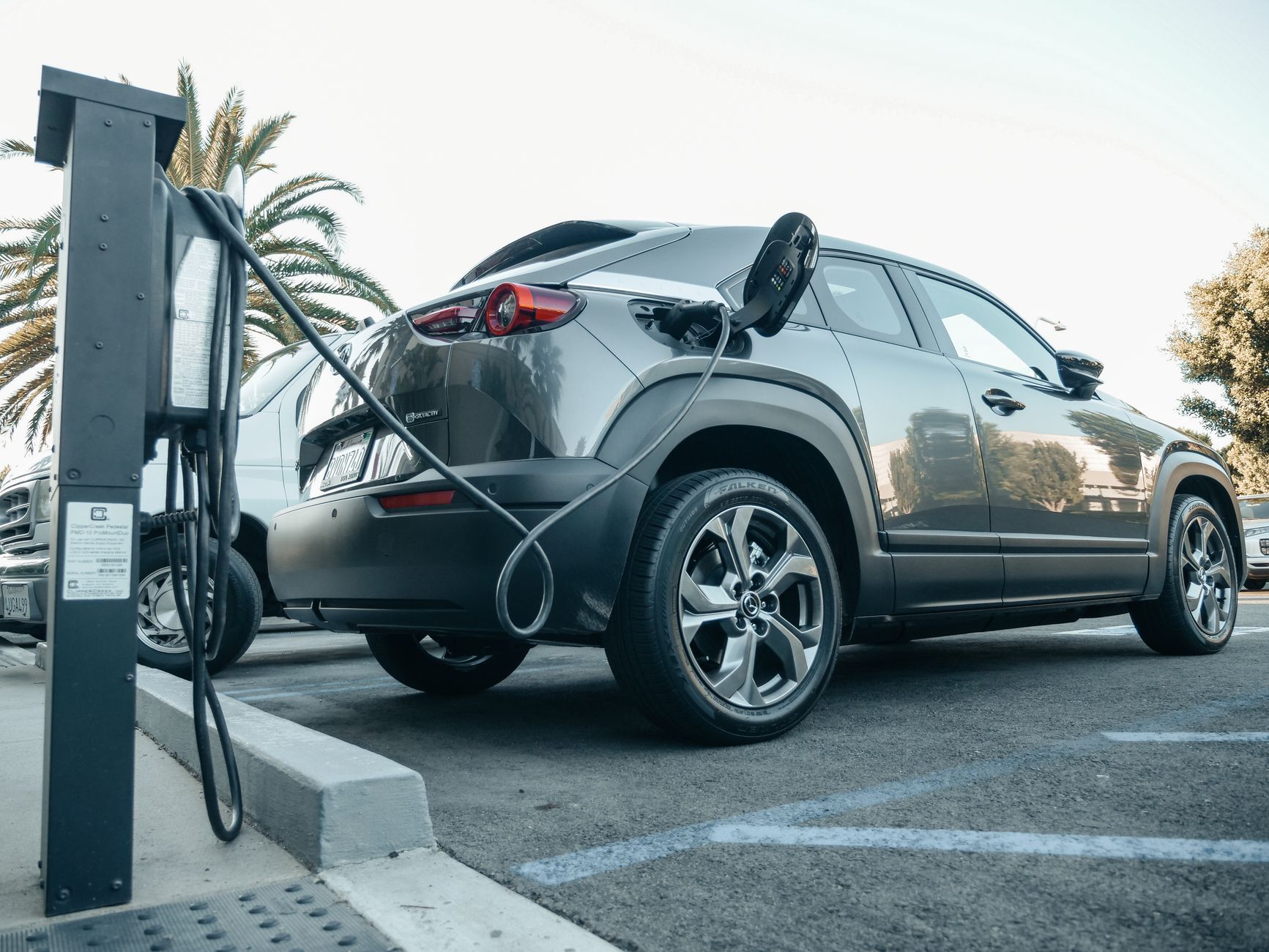
- Charging Infrastructure: With an increasing number of charging stations being installed, potential buyers may find it easier to maintain an EV, reducing concerns over charging accessibility.
These alternatives can help ease the burden for residents seeking to transition to electric vehicles despite the disappointing news regarding the EV cash subsidy.
Government policies on electric vehicles
The recent changes in government policies regarding electric vehicles (EVs) have left many Chandigarh residents concerned about their options. One of the most significant developments is the removal of the EV cash subsidy, which has been a crucial incentive for potential buyers. This subsidy was designed to make electric vehicles more affordable and encourage their adoption in the region.
As part of the new policy, the government aims to shift its focus towards alternative energy solutions, but this has raised questions among consumers. Residents are now faced with a higher upfront cost for EVs, which may deter many from making the switch from traditional vehicles. The absence of the EV cash subsidy is particularly challenging for first-time buyers and those on a tight budget.
Moreover, the government has yet to announce any new incentives or programs to support EV adoption in Chandigarh. This lack of clarity has left potential EV owners feeling uncertain about their investments. As the market adjusts to these policy changes, many are left wondering what the future holds for electric vehicle ownership in the city.
Public response to subsidy changes
Residents of Chandigarh have expressed their frustration over the recent announcement regarding the discontinuation of the EV cash subsidy. Many feel that the removal of this financial support undermines their efforts to transition to more sustainable transportation options.
In a survey conducted among local EV enthusiasts, the following sentiments emerged:
- Disappointment: A significant number of respondents reported feeling disheartened by the government’s decision, as it was a crucial incentive for potential buyers.
- Increased Costs: Many residents indicated that without the cash subsidy, the overall cost of purchasing an electric vehicle would become prohibitive.
- Concerns for the Environment: Some residents expressed that the removal of the subsidy could slow down the shift towards greener transportation, potentially impacting Chandigarh’s sustainability goals.
Furthermore, local environmental groups have voiced their concerns, stating that the EV cash subsidy was pivotal in promoting electric vehicles as an alternative to traditional combustion engines. The backlash from the community raises questions about future government policies and support for electric mobility in the region.
Future of electric vehicles in India
The future of electric vehicles (EVs) in India appears uncertain as the recent removal of the EV cash subsidy in Chandigarh raises concerns among potential buyers. With the government’s decision, many residents who were considering transitioning to electric vehicles may now hesitate or abandon their plans altogether.
Experts suggest that this could lead to a significant slowdown in the adoption of EVs in the region. The subsidy had previously acted as a crucial incentive, making electric vehicles more financially accessible for consumers. Without this support, many may revert to traditional combustion-engine vehicles, undermining the country’s efforts to promote sustainable transportation.
Additionally, the availability of charging infrastructure and the rising costs of EVs may further complicate the situation. Residents are now left to ponder whether the benefits of EV ownership outweigh the financial burden without the cash subsidy.
The shift in policy may also influence automakers’ strategies, prompting them to reconsider their investments in EV production and technology in India. As the market evolves, consumers will need to stay informed about potential changes and developments in the electric vehicle landscape.
Chandigarh’s green initiatives
Chandigarh has long been a pioneer in promoting sustainable transportation through various green initiatives aimed at reducing carbon emissions and encouraging the use of electric vehicles (EVs). However, the recent decision to eliminate the EV cash subsidy has cast a shadow over these efforts. Residents who once relied on financial incentives to make the switch to electric are now left searching for alternatives.
In an attempt to foster a greener environment, Chandigarh had previously implemented several programs, including:
- Subsidized charging stations to support EV users.
- Public awareness campaigns highlighting the benefits of electric mobility.
- Tax rebates for electric vehicle purchases.
These initiatives were designed to make electric vehicles more accessible and appealing to the public. With the removal of the EV cash subsidy, many residents fear that the momentum toward sustainable transportation will be lost. Local environmentalists argue that the government needs to rethink its approach to incentivizing EV adoption to ensure Chandigarh remains at the forefront of green technology.