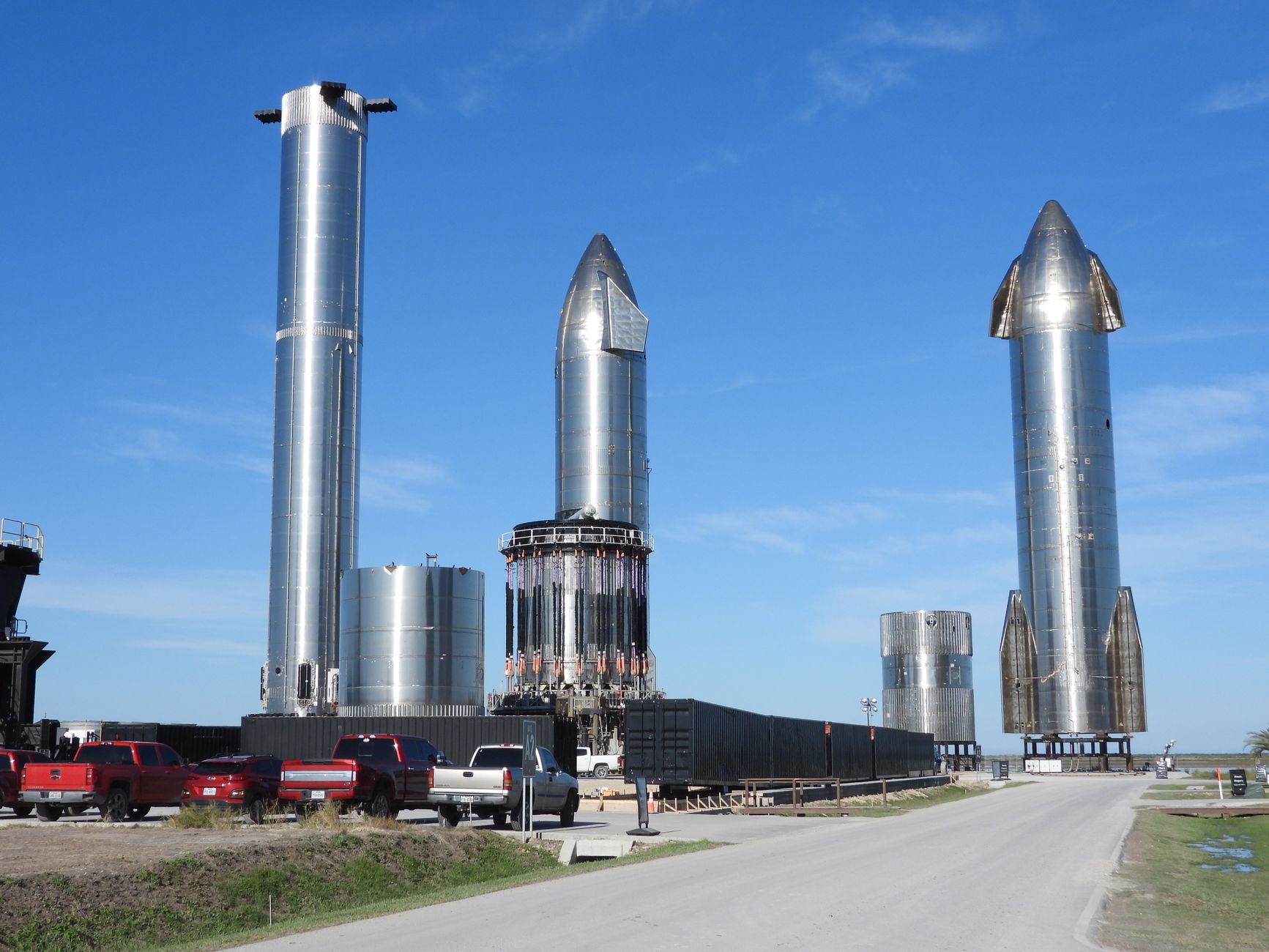
Starship Flight 15 is set to attempt a full vehicle recovery in a double launch pad catch. This groundbreaking mission could redefine space operations and recovery techniques.
Overview of Starship Flight 15
Starship Flight 15 represents a significant milestone in SpaceX’s ongoing efforts to refine their recovery systems. This mission aimed to achieve a double catch recovery of both the booster and the upper stage, showcasing the company’s innovative approach to reusability.
The launch took place from the SpaceX facility in Boca Chica, Texas, where the company has been testing various configurations of its Starship spacecraft. The goal of this mission was not only to deliver payloads to orbit but also to demonstrate the effectiveness of their catch mechanisms.
Key components of the mission included:
- Booster Recovery: The first stage aimed for a simultaneous catch on the launch pad.
- Upper Stage Mission: The second stage was designed to complete a series of flight maneuvers before re-entering the atmosphere.
- Real-time Data Collection: Engineers monitored various metrics to assess performance and improve future flights.
Starship Flight 15 not only serves as a technological demonstration but also as a stepping stone towards the goal of achieving cost-effective and sustainable space travel.
The Double Launch Pad Catch Explained
The recent Starship Flight 15 has brought significant attention to the innovative double launch pad catch recovery system. This technique aims to enhance the efficiency of spacecraft recovery, a crucial aspect of sustainable space travel. The double catch involves two distinct landing pads, allowing the vehicle to be captured midair during descent.
The process is designed to minimize the risk of damage during landing and ensure a seamless recovery of the entire vehicle. The following steps outline how the double launch pad catch works:
- Initial Descent: As the Starship approaches the landing zone, it performs a controlled descent.
- Catch Mechanisms: Two separate catch arms are positioned to intercept the vehicle simultaneously.
- Successful Capture: The vehicle is held securely in place, preventing any potential bounce or collapse.
This ambitious attempt during Starship Flight 15 showcases the evolving capabilities of SpaceX in achieving reliable recovery methods. If successful, this double catch recovery system could pave the way for future missions, enhancing the viability of reusable spacecraft.
Challenges Facing the Recovery Attempt
The recovery attempt for Starship Flight 15 is not without its challenges. Engineers and mission planners are navigating a series of complex factors that could impact the success of the double catch recovery. These challenges include:
- Weather Conditions: Unpredictable weather patterns can affect the timing and stability of the recovery operation.
- Technical Glitches: Any malfunction in the recovery system could jeopardize the entire mission, requiring real-time troubleshooting.
- Synchronization: Successfully coordinating both launch pads to catch the vehicle simultaneously demands precise timing and execution.
- Environmental Factors: The surrounding environment, including winds and sea state, may pose additional risks to the recovery vessels.
- Public Safety: Ensuring the safety of personnel and nearby communities is paramount during the recovery, necessitating strict protocols and contingencies.
Despite these hurdles, the team remains optimistic about Starship Flight 15. They believe that overcoming these obstacles is a vital step in advancing recovery technology and ensuring future missions can achieve successful landings.
Potential Impact on Future Missions
The recent Starship Flight 15 marks a significant milestone in the pursuit of advanced spaceflight technology, particularly in the realm of recovery systems. If successful, the double launch pad catch could redefine future mission strategies and operational efficiencies.
One of the primary impacts of this innovative recovery method is its potential to reduce the costs associated with launching and retrieving spacecraft. By successfully catching both stages of the Starship simultaneously, SpaceX could minimize the need for extensive refurbishment and recovery operations, leading to faster turnarounds between missions.
Moreover, a successful outcome from Starship Flight 15 could enhance the reliability of the company’s launch services. With a proven recovery system, SpaceX could bolster client confidence, attracting more commercial and governmental partnerships.
In addition, the insights gained from this recovery attempt may inform future designs and engineering practices, paving the way for even more ambitious missions beyond Earth. As SpaceX continues to push the envelope, the results of Flight 15 will likely serve as a foundational reference for the future of space exploration.
What to Expect During the Live Coverage
As the world tunes in for the live coverage of Starship Flight 15, viewers can expect a thrilling display of engineering and precision. The event will showcase SpaceX’s ambitious attempt to recover the entire vehicle through a double catch recovery method, a first of its kind in the aerospace industry.
During the broadcast, experts will provide real-time analysis, breaking down the intricacies of the launch and recovery process. Here are a few key highlights to watch for:
- Launch Sequence: Viewers will witness the countdown and launch of Starship, with detailed commentary on the rocket’s trajectory.
- Recovery Attempt: The focus will shift to the catch system as both booster rockets attempt to land simultaneously on the designated pads.
- Technical Insights: Engineers will explain the technologies involved in the double launch pad catch, emphasizing its significance for future missions.
The success of Starship Flight 15 could pave the way for more sustainable space travel, making this live event a critical moment for both SpaceX and the space exploration community.
Photo by Ocean Camera Space Corp. on Pexels