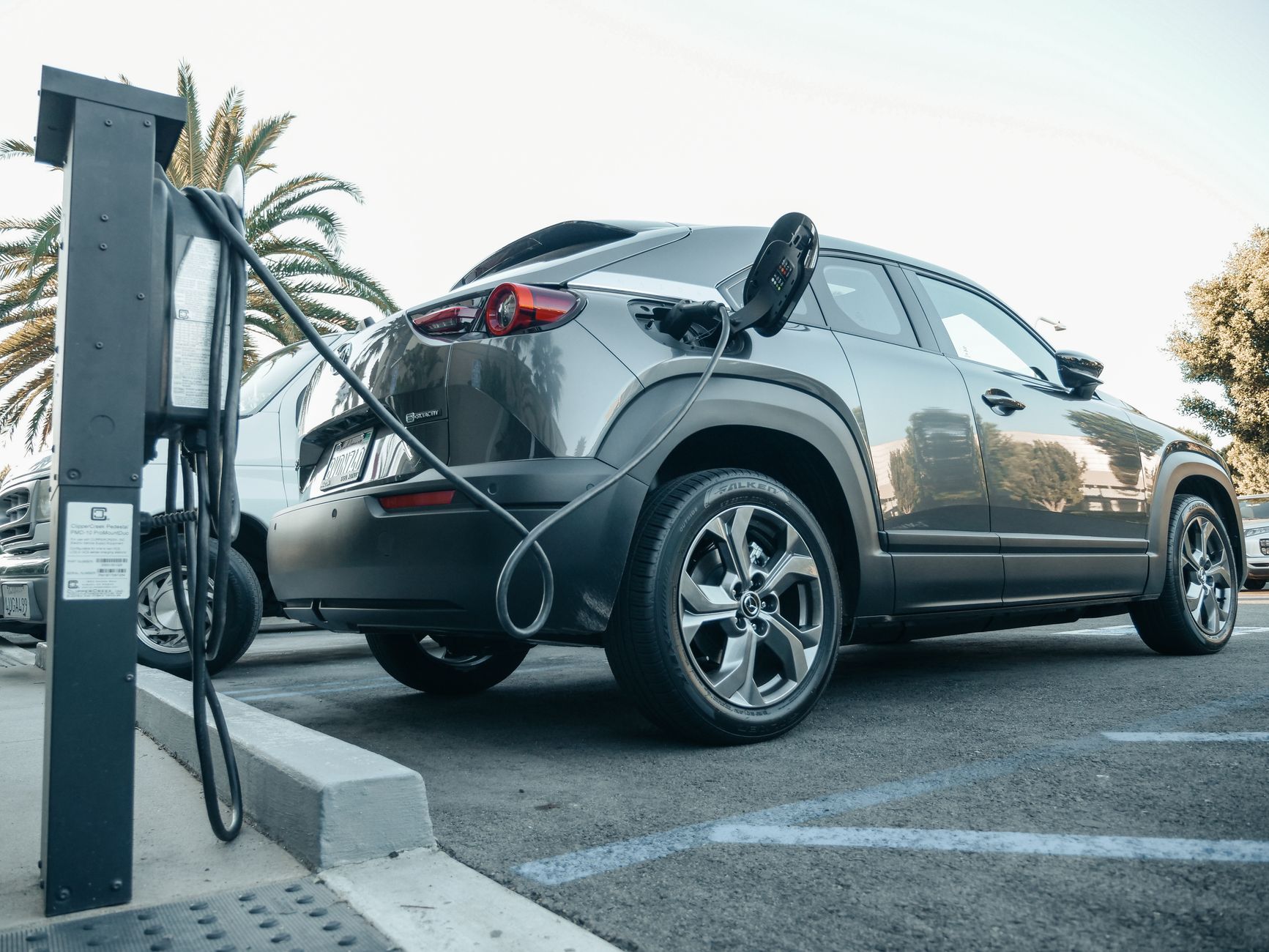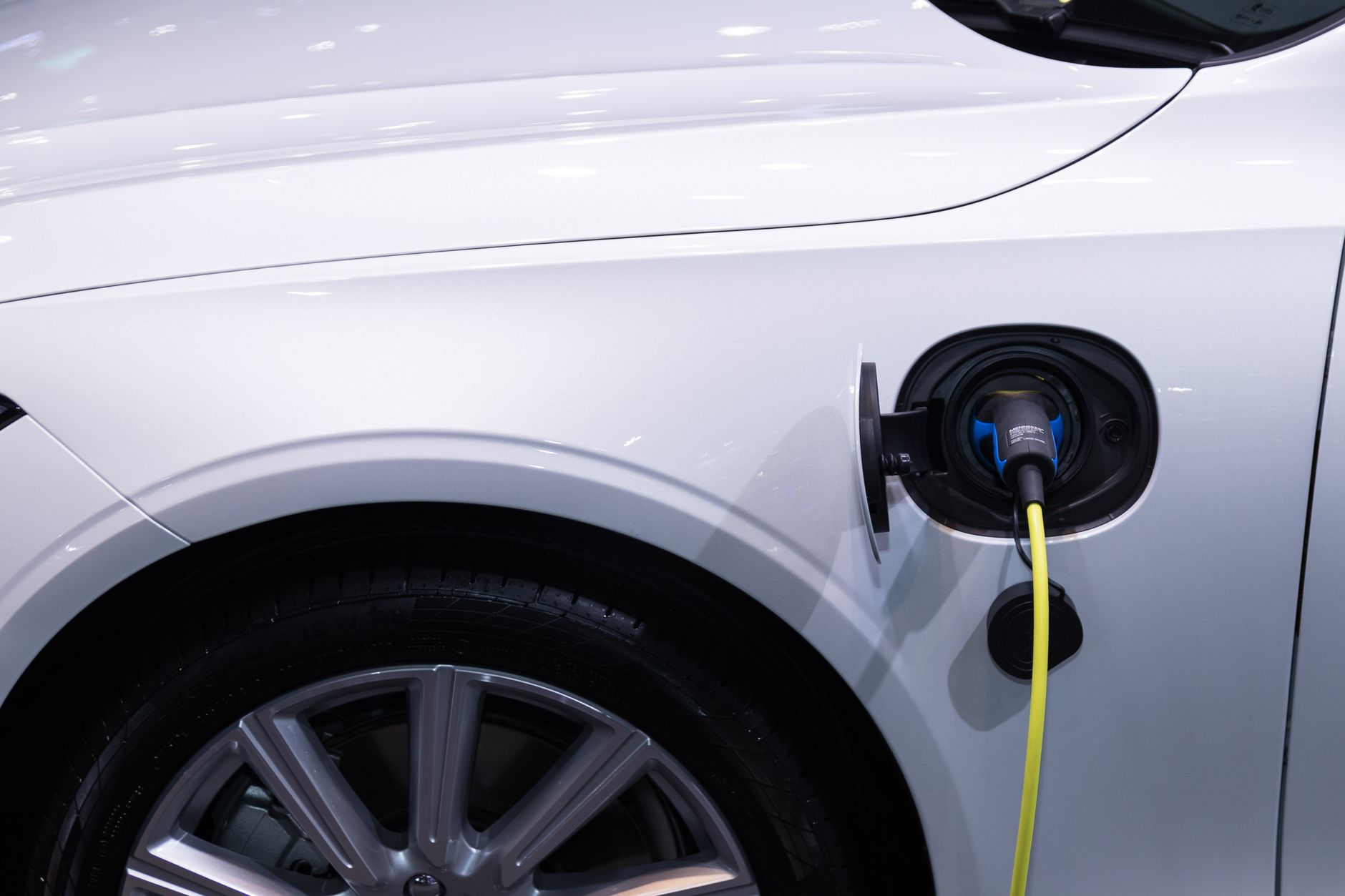
The standardized EV charging system is making headlines as Hyundai Motor Group plans to launch it in S. Korea next year. This initiative aims to enhance the electric vehicle charging experience.
Overview of Hyundai’s Charging Initiative
Hyundai Motor Group is set to revolutionize the electric vehicle landscape in South Korea with its upcoming launch of a standardized EV charging system. This initiative aims to simplify the charging experience for both consumers and manufacturers, ensuring compatibility across various electric vehicle models.
The new charging system is designed to address existing challenges in the EV market, such as the confusion stemming from different charging standards and connectors. By introducing a unified charging solution, Hyundai plans to enhance the convenience of charging stations throughout the country.
Key features of Hyundai’s charging initiative include:
- Widespread Compatibility: The system will support a diverse range of electric vehicles, making it easier for users to access charging facilities regardless of their vehicle brand.
- Fast Charging Capabilities: The standardized EV charging system will enable quicker charging times, which is crucial for long-distance travel and daily use.
- Collaboration with Local Authorities: Hyundai is working closely with the South Korean government and local businesses to ensure the infrastructure is ready for the launch.
As the demand for electric vehicles continues to grow, Hyundai’s initiative could set a precedent for future developments in the EV sector, potentially leading to a more unified approach to EV charging worldwide.
Benefits of Standardized EV Charging
The introduction of a standardized EV charging system promises several significant benefits that could transform the electric vehicle landscape. One of the primary advantages is the enhancement of convenience for EV owners. With a uniform charging protocol, drivers will have a seamless experience, eliminating the confusion that often comes with multiple charging systems.
Moreover, a standardized EV charging system can accelerate the adoption of electric vehicles. By simplifying the charging process, potential buyers may feel more confident in making the switch from traditional gasoline vehicles to electric ones. This can lead to increased sales and contribute to broader environmental goals.
Additionally, the implementation of standardization can foster greater collaboration among manufacturers, infrastructure providers, and service operators. This synergy can drive innovation and lead to improved charging technologies and infrastructure development. As more stakeholders align towards a common goal, the overall efficiency of the charging network can be enhanced.
Cost efficiency is another noteworthy benefit. A unified system can reduce production and maintenance costs for companies involved in the EV market, ultimately leading to lower prices for consumers. Furthermore, increased compatibility between different EV models and charging stations can reduce instances of downtime and enhance the reliability of the charging network.
In summary, the benefits of a standardized EV charging system extend beyond mere convenience, promising a more inclusive, efficient, and cost-effective approach to electric mobility.
How Will It Impact EV Users?
The introduction of a standardized EV charging system is set to significantly impact electric vehicle (EV) users across South Korea. With the anticipated rollout by Hyundai Motor Group next year, several key benefits are expected to emerge for consumers.
Firstly, the standardized system will enhance convenience for EV owners. Currently, different manufacturers utilize varying charging connectors and protocols, which can create confusion and frustration for users. A unified charging system means that drivers will no longer need to worry about compatibility issues, allowing them to charge their vehicles with ease, regardless of the brand.
Additionally, the standardization is likely to improve the overall charging infrastructure. As more charging stations adopt the same system, it will lead to a more robust network, reducing wait times and making it easier for users to find available charging points. This could encourage more individuals to switch to electric vehicles, knowing that charging will be more accessible.
Moreover, a standardized EV charging system could lead to lower costs for users. With reduced complexity in hardware and maintenance for charging stations, these savings could be passed on to consumers, making electric vehicle ownership more economically attractive.
In conclusion, the introduction of a standardized EV charging system has the potential to enhance user experience, improve infrastructure, and reduce costs for EV owners, marking a significant step forward for the electric vehicle market.
Challenges in EV Charging Infrastructure
The development of a standardized EV charging system presents several challenges that must be addressed to ensure widespread adoption and functionality. While the initiative aims to streamline the charging experience, various factors could hinder its success.
- Infrastructure Investment: Establishing a unified charging network requires significant investment in infrastructure, including charging stations and compatible equipment. This could strain resources for both public and private sectors.
- Technological Compatibility: Different EV manufacturers utilize varying charging technologies. Achieving compatibility among these technologies is crucial for a standardized EV charging system to function effectively, which may prove to be complex.
- Regulatory Hurdles: Implementing a standardized system may involve navigating a maze of regulations at local, regional, and national levels. Coordinating these regulations could create delays in deployment.
- User Adoption: Educating EV users about the new charging system will be critical. Resistance to change or lack of awareness could slow the transition to standardized charging solutions.
- Market Competition: Existing proprietary charging systems from different manufacturers may pose a challenge, as companies could be reluctant to abandon their technologies in favor of a standardized approach.
Addressing these challenges will be essential for the effective implementation of a standardized EV charging system, ensuring it meets the needs of both users and providers in the rapidly evolving electric vehicle landscape.
Future of Electric Vehicle Charging
The future of electric vehicle charging hinges on the widespread adoption of a standardized EV charging system. As countries aim to reduce carbon emissions and promote sustainable transportation, the quest for uniform charging solutions is becoming increasingly critical. A standardized approach can streamline the charging experience for users and encourage greater EV adoption.
With the anticipated launch of Hyundai Motor Group’s standardized EV charging system in South Korea next year, the industry is poised for significant transformation. This initiative could serve as a model for other regions and manufacturers, showcasing the benefits of uniformity in charging technology. A cohesive system can simplify logistics, reduce the number of incompatible chargers, and ultimately enhance the overall user experience.
Moreover, a standardized EV charging system can stimulate investment in charging infrastructure. As more businesses and municipalities recognize the advantages of a common platform, they may be more inclined to develop charging stations, resulting in improved accessibility for EV owners. This could lead to a network of reliable, convenient charging options, making electric vehicles even more appealing.
Nevertheless, the transition to a standardized system will require collaboration among automakers, energy providers, and government entities. By working together, stakeholders can ensure that the future of electric vehicle charging is efficient, user-friendly, and environmentally sustainable.
Comparing Global Charging Standards
The introduction of a standardized EV charging system has sparked discussions about the varying global charging standards currently in use. Different countries have adopted distinct protocols, leading to confusion and inefficiencies for electric vehicle (EV) users. For instance, Europe primarily utilizes the Type 2 connector, while the United States has favored the CCS (Combined Charging System). This disparity can complicate travel for EV owners, as they may encounter charging stations that are incompatible with their vehicles.
In contrast, a unified charging system could streamline the experience for EV drivers worldwide. It would reduce the need for multiple adapters and improve the overall accessibility of charging stations. Furthermore, with major automotive manufacturers like Hyundai backing a standardized EV charging system, the push for a cohesive approach gains momentum. This collaboration could lead to faster adoption of electric vehicles and a more robust charging network.
Countries like China have already made significant strides by implementing their own standards, notably the GB/T connector. However, as the global market for electric vehicles continues to grow, the importance of aligning charging systems becomes paramount. A standardized approach could not only enhance user convenience but also facilitate the expansion of charging infrastructure, ultimately supporting the transition towards sustainable transportation.
Consumer Reactions to the New System
As the rollout of the standardized EV charging system approaches, consumer reactions have been mixed. Many electric vehicle (EV) owners express excitement about the prospect of a more streamlined charging experience. One user, Jane Kim, shared her enthusiasm, stating, “Having a unified charging system means I won’t have to worry about finding the right adapter or compatibility issues anymore.”
However, some consumers remain skeptical. Mark Lee, an EV owner since 2019, noted, “While a standardized charging system sounds great, I’m concerned about the transition period. What happens to the existing infrastructure and charging stations?” This concern highlights the apprehension among users regarding potential disruptions during the implementation of the new system.
Additionally, feedback from the EV community indicates a desire for greater transparency regarding the costs associated with adopting the standardized system. Some users are worried that the initial investment may lead to higher pricing at charging stations. “If they increase prices to cover the transition, it could deter new buyers,” remarked Sarah Park, an environmental advocate.
Overall, while many consumers are optimistic about the benefits of a standardized EV charging system, the path forward must address concerns about implementation and costs. As Hyundai prepares to launch this initiative, ongoing dialogue with consumers will be crucial to ensure broad acceptance and satisfaction.
via Wikimedia Commons
Where this came from
Related reading
Mahindra XUV 3XO price: Best Proven Value in Mangalore · Watertown gas prices: The Smart Difference in St. Lawrence Co. · Car price hike: Is it the worst time to buy a vehicle?