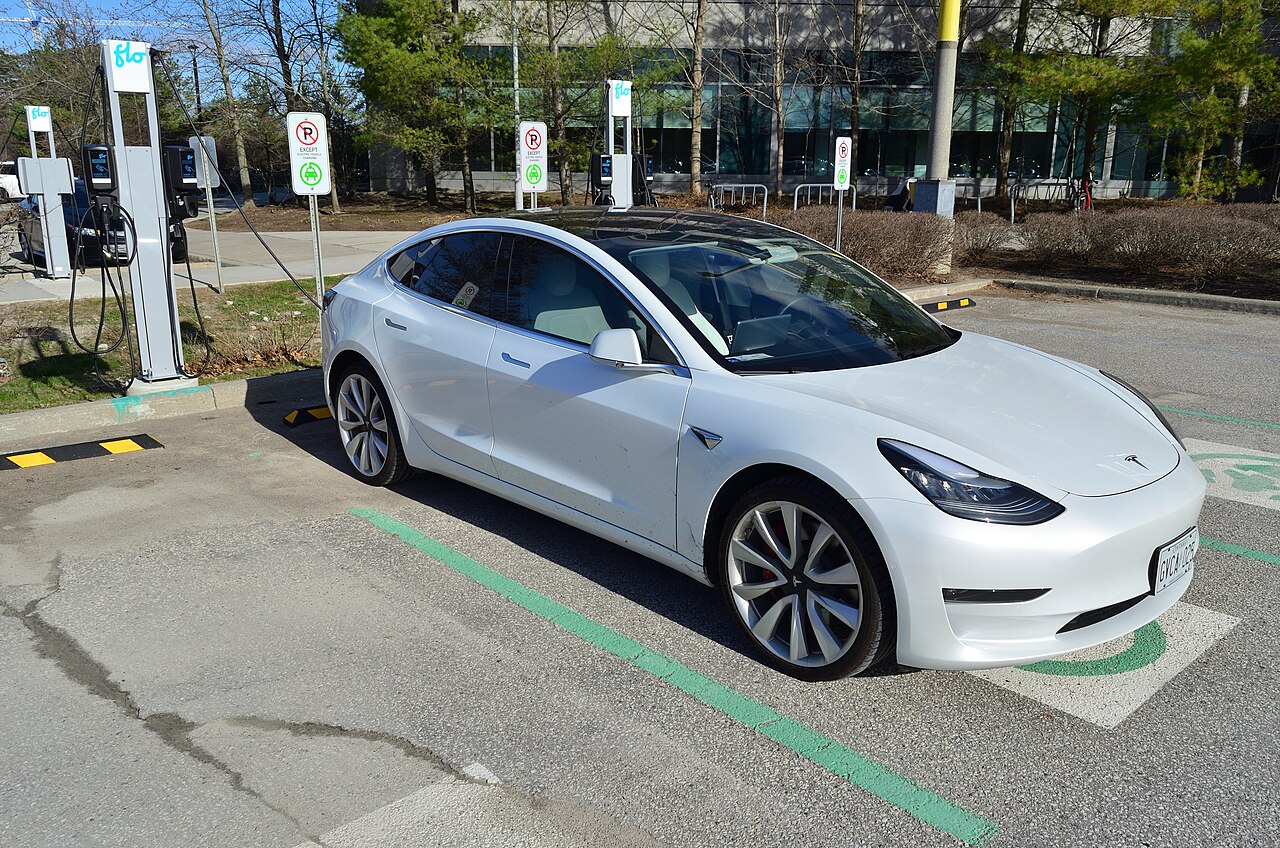
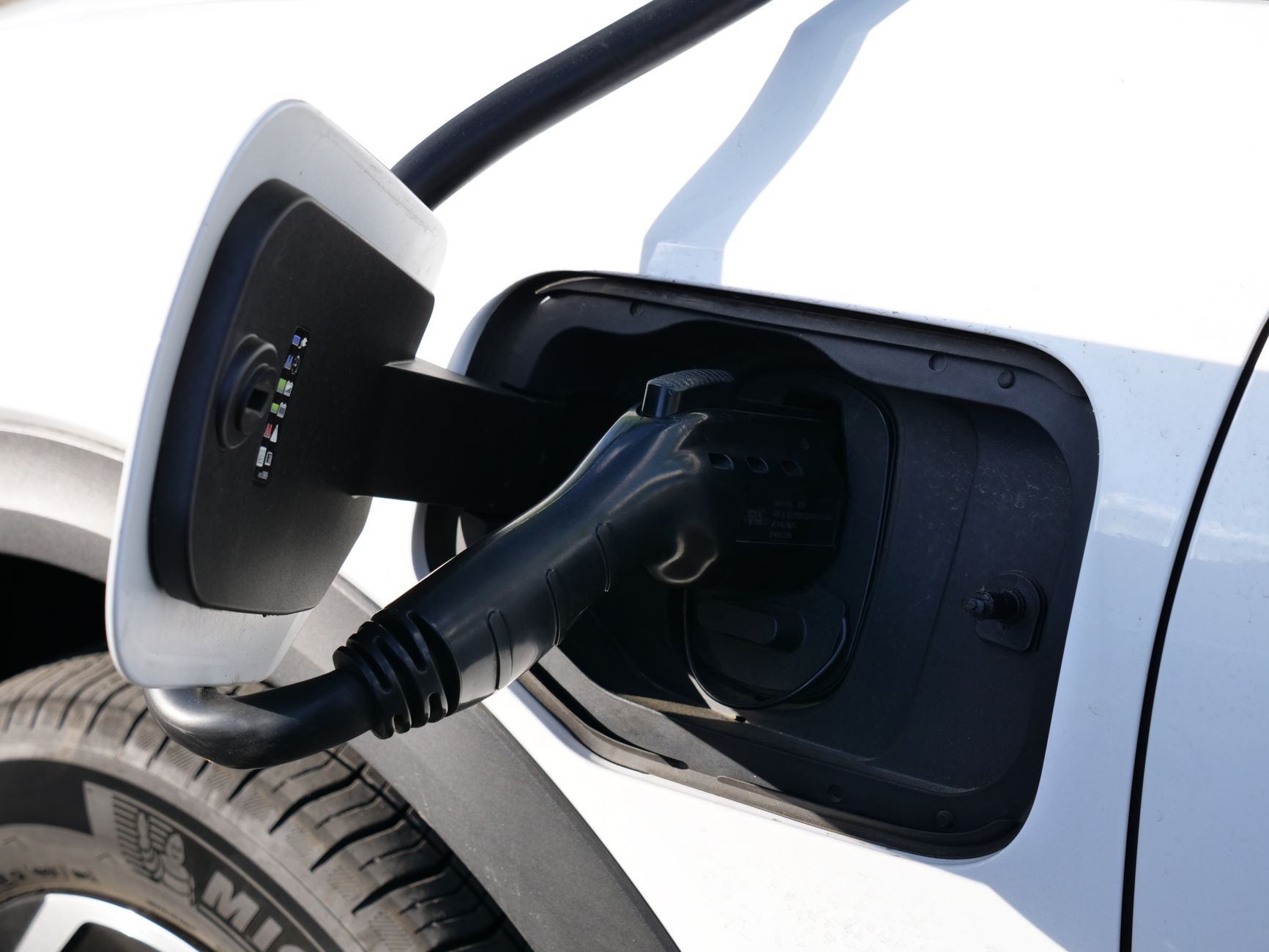
Odisha EV policy is set to boost green mobility as its validity is extended until December 31, 2026. This move aims to encourage the adoption of electric vehicles across the state.
Overview of Odisha’s EV Policy Extension
The Odisha government has recently announced an extension of its EV policy validity until December 31, 2026, aiming to further enhance green mobility within the state. This decision is part of a broader strategy to promote electric vehicles (EVs) and reduce carbon emissions, addressing the growing concerns of climate change and urban pollution.
The extended policy is designed to encourage investment in electric vehicle infrastructure and manufacturing, with several key features aimed at fostering a sustainable transportation ecosystem. Some of the highlights of the policy include:
- Financial Incentives: The state government will continue to provide subsidies and incentives for the purchase of electric vehicles, making them more affordable for consumers.
- Charging Infrastructure: A significant focus will be placed on developing a robust network of EV charging stations across urban and rural areas, ensuring easy access for users.
- Awareness Programs: Initiatives to educate the public about the benefits of electric vehicles and the importance of transitioning to greener mobility options will be implemented.
- Partnerships with Industry: The policy encourages collaborations with private and public sectors to accelerate the adoption of EVs and related technologies.
With these measures in place, Odisha’s EV policy aims to not only promote electric vehicles but also position the state as a leader in sustainable transportation solutions.
Impact on Electric Vehicle Adoption
The recent extension of the Odisha EV policy aims to significantly impact the adoption of electric vehicles (EVs) across the state. As the government seeks to enhance green mobility, several factors come into play that could encourage more residents to make the switch to electric.
- Financial Incentives: With subsidies and reduced registration fees available under the extended policy, potential EV buyers are likely to find electric vehicles more affordable. This financial relief can play a crucial role in influencing purchasing decisions.
- Improved Infrastructure: The government plans to invest in charging infrastructure, making it easier for EV owners to charge their vehicles conveniently. An increase in charging stations can alleviate range anxiety, a common concern among potential buyers.
- Environmental Awareness: With growing concerns about climate change and pollution, more individuals are looking for sustainable transportation options. The Odisha EV policy aligns with these values, promoting a greener alternative to traditional combustion engine vehicles.
- Increased Variety: As manufacturers respond to the policy, the variety of available electric models is likely to expand, catering to diverse consumer preferences. A broader selection can attract buyers who may have previously hesitated to make the switch.
The combination of these factors suggests that the extended Odisha EV policy could be a pivotal step in accelerating the transition towards electric mobility in the state.
Benefits of Green Mobility in Odisha
The benefits of green mobility in Odisha are significant, reflecting the state’s commitment to sustainable transportation through the Odisha EV policy. By promoting electric vehicles (EVs), the state aims to reduce greenhouse gas emissions, improve air quality, and decrease dependence on fossil fuels.
One of the primary advantages of adopting green mobility is the reduction in air pollution levels. Traditional vehicles contribute to harmful emissions, which can lead to severe health problems. Transitioning to electric vehicles can drastically lower these pollutants, thereby enhancing public health and the overall quality of life for residents.
Additionally, the economic benefits of green mobility are noteworthy. The growth of the EV market in Odisha can create numerous job opportunities in manufacturing, maintenance, and infrastructure development. This sector’s expansion not only stimulates local economies but also positions Odisha as a leader in the green technology domain.
Moreover, the Odisha EV policy encourages innovation and investment in sustainable technologies. With incentives for EV manufacturers and consumers, the policy fosters a supportive ecosystem for research and development, paving the way for advancements in battery technology and energy efficiency.
Finally, green mobility contributes to energy security by promoting the use of renewable energy sources for charging EVs. This shift can help Odisha reduce its reliance on imported fuels, ensuring a more sustainable and resilient energy future.
Government Support for EV Infrastructure
The Odisha government is committed to enhancing electric vehicle (EV) infrastructure as part of its comprehensive EV policy. This initiative aims to create a conducive environment for the adoption of green mobility across the state. By extending the validity of the Odisha EV policy until December 31, 2026, the government underscores its dedication to promoting sustainable transportation.
To support the expansion of EV infrastructure, several key measures are being implemented:
- Financial Incentives: The government is providing subsidies and tax exemptions for EV manufacturers and buyers, making electric vehicles more affordable.
- Charging Stations: Plans are underway to establish a network of charging stations throughout Odisha, ensuring that EV users have easy access to charging facilities.
- Public Awareness Campaigns: Initiatives to educate the public about the benefits of electric vehicles and available incentives are being rolled out to encourage adoption.
- Partnerships with Private Sector: Collaborations with private companies are being fostered to accelerate the development of EV technology and infrastructure.
These supportive measures are crucial for the success of the Odisha EV policy, as they not only enhance the state’s green mobility framework but also help in reducing carbon emissions and combating climate change. As the infrastructure develops, it is expected that more citizens will switch to electric vehicles, contributing to a cleaner environment.
Future of Electric Vehicles in India
The future of electric vehicles (EVs) in India appears promising, especially in light of recent developments such as the extension of the Odisha EV policy until December 31, 2026. This strategic move aims to not only boost the EV market in Odisha but also inspire similar initiatives across other states. As the nation grapples with rising pollution levels and aims for sustainability, the focus on electric mobility has become more critical than ever.
Several factors are shaping the future landscape of electric vehicles in India:
- Government Initiatives: With supportive policies like the Odisha EV policy, states are incentivizing consumers and manufacturers, paving the way for a robust EV ecosystem.
- Technological Advancements: Rapid advancements in battery technology and charging infrastructure are making EVs more accessible and convenient, encouraging adoption.
- Consumer Awareness: Growing awareness of environmental issues is motivating consumers to opt for eco-friendly transportation solutions, enhancing demand for electric vehicles.
- Investment in Infrastructure: Improved charging networks and facilities are vital for the acceptance of EVs, and states are increasingly investing in these areas.
- Partnership with Private Sector: Collaborations between government and private enterprises can help accelerate the production and sale of electric vehicles.
As these elements converge, the future of electric vehicles in India, supported by the Odisha EV policy, seems to be on a promising trajectory towards sustainable mobility.
Read the original
Odisha EV policy: Best Proven Steps for Electric Vehicles · AVATR 07 Launch: The Best Electric SUV with Proven Power · Aprilia SXR GT 125: The Best New Scooter in India