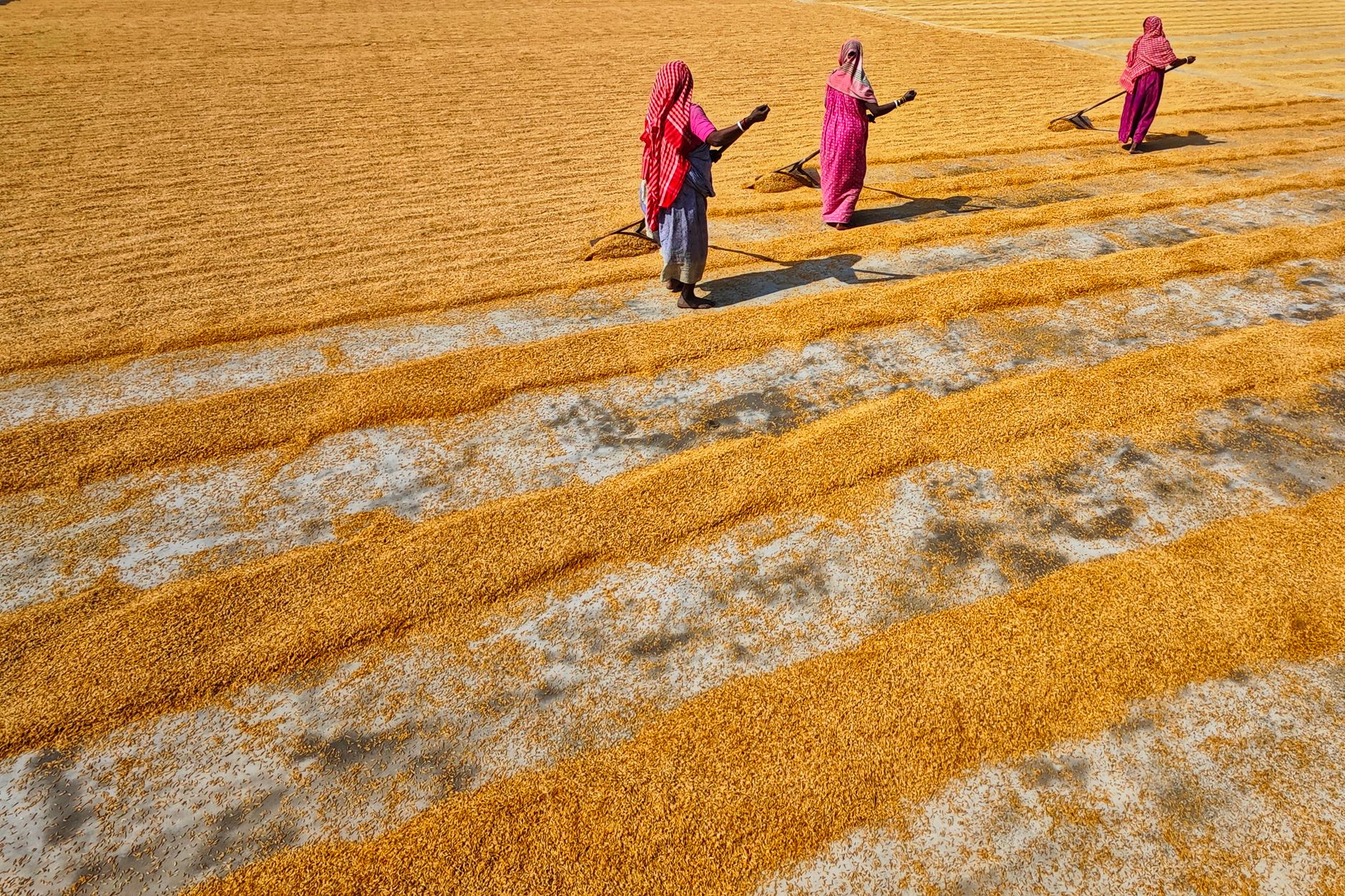
India rice surplus has exposed rising subsidy and storage costs, raising concerns about the sustainability of agricultural policies.
Understanding the India Rice Surplus
The recent reports indicate a significant India rice surplus, raising concerns about the implications of storage and subsidies. While the surplus is beneficial for food security, it leads to increased costs that burden the government and taxpayers.
Key factors contributing to the rising costs include:
- Storage Facilities: Maintaining vast quantities of surplus rice requires extensive infrastructure, which is costly to build and operate.
- Subsidy Programs: The government provides subsidies to support farmers, but these programs can strain financial resources, especially when surplus levels are high.
- Quality Maintenance: Ensuring the quality of stored rice over time adds additional expenses, as proper conditions must be maintained to prevent spoilage.
Addressing these challenges is essential for managing the future of India’s agricultural policies and ensuring sustainability.
Rising Subsidy Costs Explained
The growing India rice surplus has led to a significant increase in subsidy costs, raising concerns among policymakers. As the government seeks to support farmers and maintain low prices for consumers, the financial burden of these subsidies has escalated.
Several factors contribute to this rising cost:
- Increased production targets: The push to maximize rice output has resulted in higher spending on subsidies.
- Storage challenges: With excess rice, the need for adequate storage facilities has surged, leading to additional expenses.
- Market fluctuations: Unpredictable market conditions can exacerbate subsidy requirements, putting further strain on government resources.
As these costs rise, the sustainability of the current subsidy model is called into question, prompting discussions on potential reforms to balance support for farmers with fiscal responsibility.
Storage Challenges for Rice Producers
The considerable India rice surplus presents numerous storage challenges for producers. With the country’s vast production, adequate storage facilities are critical to prevent spoilage and ensure quality. However, many regions face infrastructural deficiencies that hinder effective storage solutions.
Moreover, the costs associated with maintaining these facilities can be substantial. The following factors contribute to the challenges:
- Pest Management: Effective storage requires ongoing pest control measures, which can be both time-consuming and costly.
- Climate Vulnerability: Many storage facilities are not equipped to handle extreme weather conditions, risking crop damage.
- Limited Investment: Insufficient investment in modern storage technology leads to inefficient management of the rice surplus.
As a result, producers may struggle to balance the benefits of surplus with the economic realities of storage logistics.
Impact on Food Security in India
The growing India rice surplus raises significant concerns regarding food security in the country. With vast quantities of rice stored, the challenge lies not only in maintaining quality but also in ensuring that the surplus reaches those in need. Many small farmers, despite contributing to this surplus, struggle to access government programs designed to provide essential food supplies.
Moreover, the inefficiencies in storage systems can lead to spoilage, which undermines the very purpose of having a surplus. The financial burden of maintaining these stocks, coupled with rising subsidies, diverts resources away from direct aid programs that could better support vulnerable populations.
- Inadequate distribution systems hinder access to surplus rice.
- Quality deterioration due to poor storage facilities.
- Rising costs limit funding for food security initiatives.
Addressing these issues is crucial for ensuring that the rice surplus translates into meaningful food security for all.
Photo by Dibakar Roy on Pexels