Home charging for EVs is increasingly vital as public charging stations struggle to gain the trust of drivers. Many electric vehicle owners are finding solace in their own charging setups at home.
The Importance of Home Charging
The convenience of home charging for EVs has become a vital aspect of electric vehicle ownership. As public charging stations struggle to meet the demands of growing EV populations, many owners find themselves relying on the comfort and reliability of charging at home. This dependence highlights the significance of having a dependable home charging setup.
Home charging allows EV owners to:
- Save time: Charging overnight means that drivers can begin their day with a full battery, eliminating the need to seek out public chargers during busy hours.
- Reduce costs: Charging at home is typically cheaper than using public stations, which can have varying rates and fees.
- Control charging schedules: Owners can optimize charging times to take advantage of lower electricity rates during off-peak hours.
- Enhance convenience: Having a dedicated charging station at home removes the uncertainty associated with the availability and functionality of public charging stations.
As the electric vehicle market continues to expand, the importance of home charging for EVs remains crucial for enhancing the overall ownership experience and fostering greater adoption of electric vehicles.
Challenges with Public Charging Stations
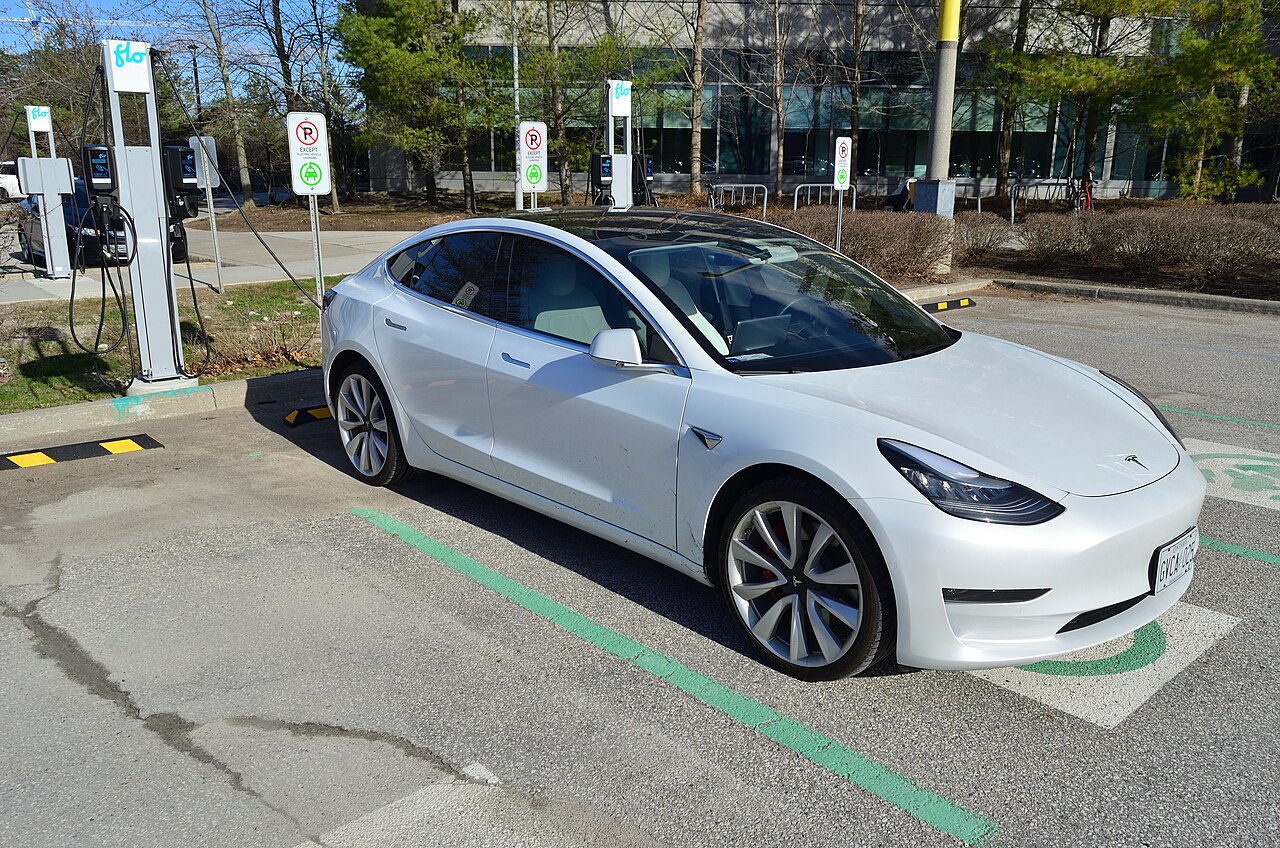
As electric vehicle (EV) ownership continues to rise, challenges with public charging stations present significant concerns for many drivers. While home charging for EVs offers a reliable solution, the infrastructure for public charging remains inconsistent and often unreliable.
Many EV owners have reported issues such as:
- Inaccessibility: Public charging stations can be few and far between, particularly in rural areas, leaving drivers anxious about their ability to recharge away from home.
- Outdated Technology: Some charging stations use older technology, resulting in slower charging times and compatibility issues with newer EV models.
- Long Wait Times: During peak hours, public charging stations may be occupied, causing delays for drivers who rely on them for an urgent charge.
- Maintenance Issues: A lack of regular maintenance often leads to malfunctioning stations, which can deter users from relying on them.
These challenges emphasize the vital role of home charging for EVs, allowing owners to avoid the uncertainties of public charging. As the EV market grows, addressing public charging infrastructure will be crucial for ensuring a seamless driving experience.
How to Optimize Home Charging
To ensure a seamless experience with home charging for EVs, owners can take several steps to optimize their setup. First, it is essential to assess the electrical capacity of the home. Upgrading the home’s electrical system may be necessary to support faster charging speeds.
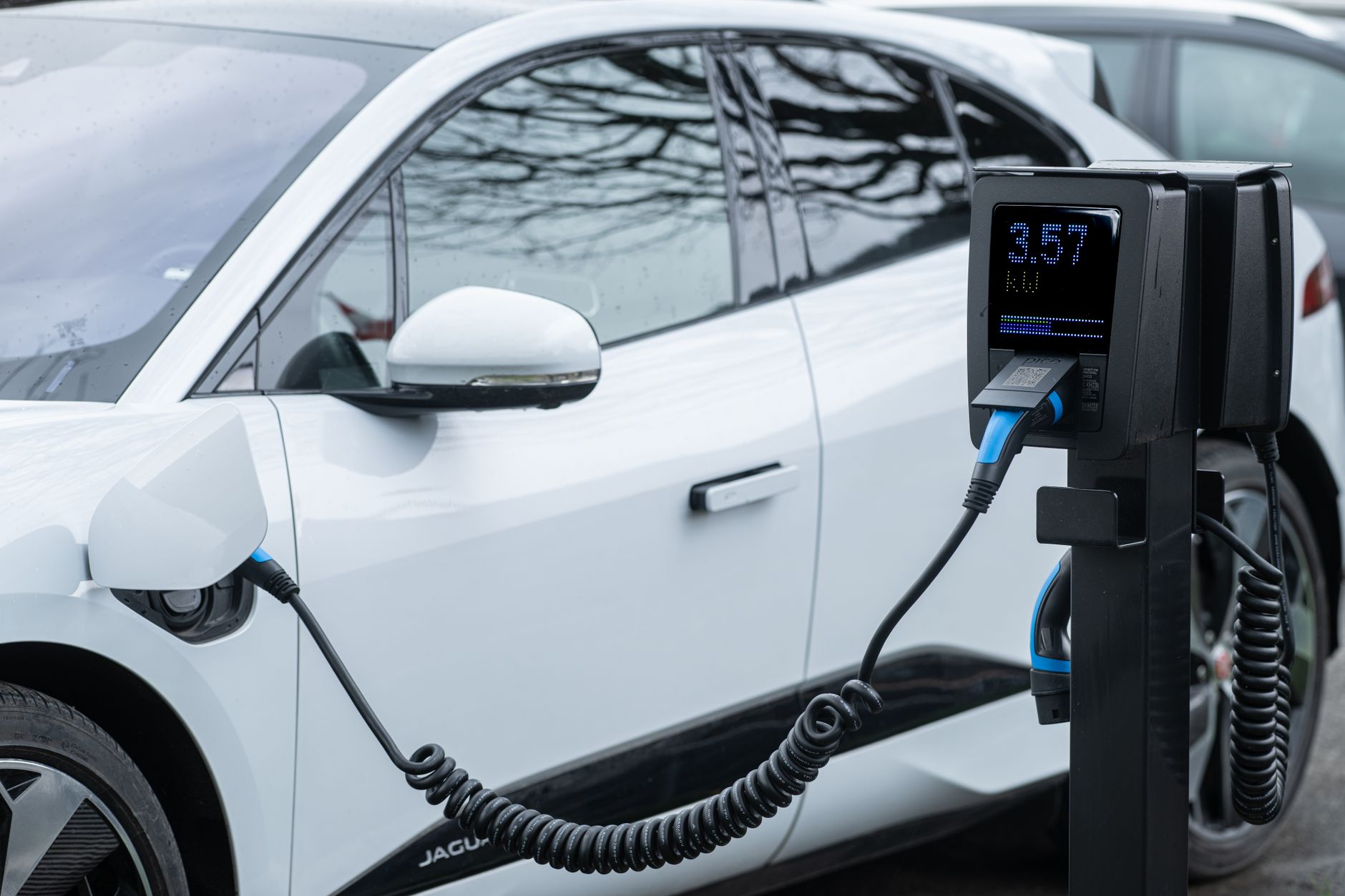
Next, selecting the right charging equipment is crucial. A Level 2 charger is recommended, as it significantly reduces charging time compared to a standard outlet. These chargers typically require professional installation to ensure safety and efficiency.
Additionally, homeowners should consider the placement of the charger. Installing it in a convenient location, such as the garage or driveway, can make charging more accessible and encourage regular use.
It is also beneficial to take advantage of time-of-use electricity rates. By charging during off-peak hours, EV owners can save on electricity costs while minimizing strain on the grid.
Lastly, utilizing smart charging features available in many EVs and charging stations can further enhance the home charging experience, allowing owners to schedule charging sessions based on energy prices or their driving habits.
By implementing these strategies, EV owners can maximize the benefits of home charging for EVs.
Future of EV Charging Infrastructure
The future of EV charging infrastructure is pivotal for the widespread adoption of electric vehicles. As the number of EV owners increases, the demand for reliable and efficient home charging for EVs becomes more pronounced. While public charging stations are essential, many users express concerns about their availability and performance, leading to a growing reliance on home solutions.
Innovations in home charging technology are expected to play a significant role in addressing these challenges. The development of faster charging systems, coupled with smart home integration, can enhance the overall experience for EV owners. Additionally, advancements in battery technology may lead to longer ranges and reduced charging times, making home charging even more appealing.
Moreover, governments and private sectors are beginning to recognize the need for improved home charging infrastructure. Initiatives such as incentives for home charger installations and partnerships with energy companies are emerging. This collaborative effort aims to ensure that homeowners can easily access the necessary resources for efficient home charging.
As we look to the future, it is clear that enhancing home charging for EVs will be a cornerstone of creating a robust and sustainable electric vehicle ecosystem.
Tips for EV Owners
For electric vehicle (EV) owners, effective home charging is crucial to ensure convenience and efficiency. Here are some tips to optimize your home charging experience:
- Install a Level 2 Charger: Upgrading from a standard outlet to a Level 2 charger can significantly reduce charging time, allowing you to fully charge your EV overnight.
- Choose the Right Location: Position your charger in a location that is easily accessible and meets local regulations. This can minimize complications when plugging in your vehicle.
- Set Charging Schedules: Take advantage of off-peak electricity rates by scheduling your EV to charge during late-night hours. This can save you money on your energy bill.
- Monitor Your Usage: Use apps or smart chargers that allow you to track your charging habits, helping you adjust your routine for optimal efficiency.
- Consider Solar Options: If feasible, integrating solar panels can provide a sustainable energy source for home charging, reducing reliance on the grid.
By following these tips, EV owners can enhance their home charging experience, addressing the challenges that come with public charging stations.