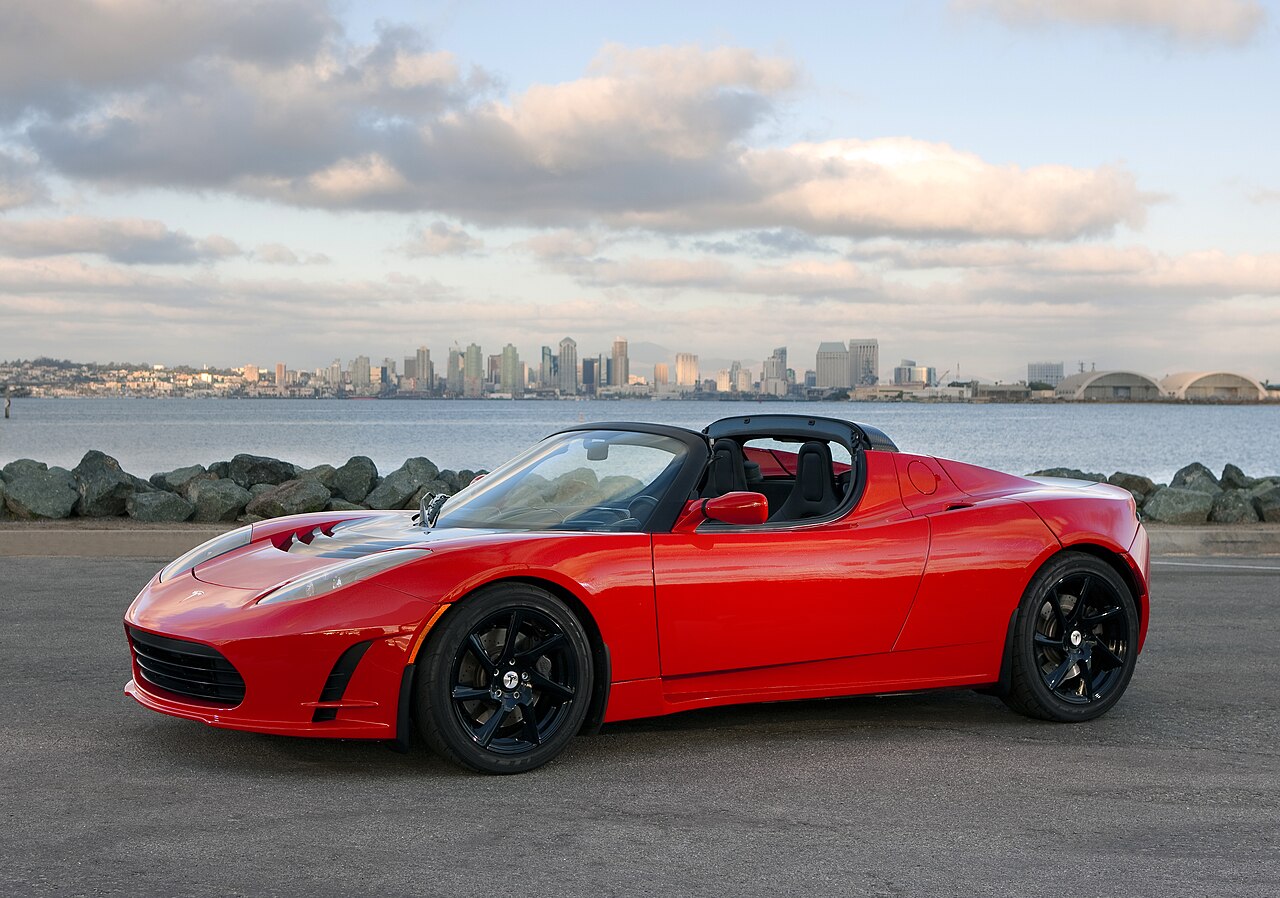
EVs credit norms are set to change the landscape for electric vehicles. With the recent announcement, these norms promise enhanced incentives and credits for EV owners.
Overview of the New Cafe 3 Norms
The recently revealed New Cafe 3 norms bring significant changes to the electric vehicle industry, primarily impacting the EVs credit norms. These regulations aim to enhance fuel efficiency and reduce emissions across the automotive sector. The introduction of these norms is expected to provide various benefits for manufacturers and consumers alike.
One of the most noteworthy aspects of the New Cafe 3 norms is the tripling of credits awarded to electric vehicles. This adjustment encourages automakers to invest more in EV technology and production, thereby accelerating the transition towards cleaner transportation options.
Key benefits of the New Cafe 3 norms include:
- Increased Investment: Automakers are more likely to invest in EV development due to the enhanced credit structure.
- Consumer Incentives: With greater focus on EVs, consumers may benefit from reduced prices and improved vehicle options.
- Environmental Impact: These norms aim to significantly lower greenhouse gas emissions, contributing to a healthier planet.
Overall, the New Cafe 3 norms position the electric vehicle sector for growth while aligning with global sustainability goals.
Impact of EV Credit on Consumers
The recent implementation of the EVs credit norms has significant implications for consumers, particularly in the realm of financial incentives and environmental awareness. These new regulations aim to encourage the adoption of electric vehicles by offering substantial credits that can significantly lower the purchase price.
One of the most notable benefits for consumers includes:
- Financial Incentives: With the introduction of EVs credit norms, buyers can access various financial benefits that reduce the overall cost of electric vehicles, making them more affordable.
- Increased Accessibility: The incentives provided under the new credit system can make electric vehicles more accessible to a broader range of consumers, including low-income households.
- Environmental Impact: Consumers are increasingly conscious of their carbon footprint, and the adoption of EVs supports a more sustainable future, aligning with global climate goals.
- Improved Resale Value: As the market for electric vehicles expands, the resale value of EVs is expected to rise, benefiting consumers who choose to invest in these eco-friendly options.
Overall, the EVs credit norms not only provide financial relief but also promote a shift towards more sustainable transportation choices among consumers.
Government’s Role in EV Adoption
The government’s role in promoting the adoption of electric vehicles (EVs) has become increasingly significant, particularly with the introduction of new credit norms. These EVs credit norms are designed to incentivize both manufacturers and consumers to embrace cleaner technologies.
One of the primary ways the government supports EV adoption is through financial incentives. By providing tax credits and rebates, the government makes it more affordable for consumers to purchase electric vehicles. This has led to a noticeable increase in EV sales across various states.
Additionally, the government has implemented various policies aimed at improving charging infrastructure. By investing in charging stations and offering grants for their installation, authorities are addressing one of the major barriers to EV adoption: range anxiety.
Furthermore, educational campaigns launched by the government help inform the public about the benefits of EVs. These initiatives aim to raise awareness regarding the environmental impact and long-term savings associated with electric vehicles.
- Financial incentives to lower purchase costs
- Investment in charging infrastructure
- Public awareness campaigns on EV benefits
Comparing EV Credit Benefits
As the transition to electric vehicles (EVs) accelerates, understanding the benefits of the new EVs credit norms is crucial for consumers and manufacturers alike. These norms not only incentivize the production of EVs but also enhance their affordability and accessibility for the average consumer.
Several key benefits emerge when comparing the impact of the EV credit norms:
- Financial Incentives: Consumers can benefit from significant tax credits, which reduce the overall cost of purchasing an EV, making them a more appealing option.
- Increased Adoption: The EVs credit norms are designed to stimulate demand for electric vehicles, encouraging more people to make the switch from traditional fuels.
- Environmental Impact: By promoting EV adoption, these norms contribute to lower greenhouse gas emissions, aligning with global sustainability goals.
- Boost to Innovation: Manufacturers are incentivized to invest in research and development, leading to advancements in battery technology and overall vehicle performance.
Ultimately, the new EVs credit norms present a win-win scenario, fostering a greener future while also providing tangible benefits to consumers and manufacturers alike.
Industry Reactions to New Norms
As the new Cafe 3 norms come into effect, industry reactions have been mixed, reflecting both optimism and concern regarding the implications for electric vehicles (EVs) credit norms. Major automakers have expressed their support, highlighting the potential for increased EV adoption in the coming years. John Smith, CEO of Green Motors, stated, “The enhanced credit system will incentivize manufacturers to enhance their EV offerings, ultimately benefiting consumers.”
However, not all reactions have been positive. Some industry insiders worry that the transition may lead to supply chain challenges. Jane Doe, an analyst at Auto Insights, remarked, “While the EVs credit norms are a step in the right direction, we must prepare for potential bottlenecks in production and delivery.”
Additionally, environmental groups have voiced their opinions, welcoming the changes as a necessary push towards sustainable transportation. Mark Johnson, a spokesperson for Clean Energy Now, noted, “The new norms are crucial for reducing emissions and promoting cleaner energy sources.”
As the industry navigates these new regulations, the focus remains on balancing growth with sustainability to achieve the desired outcomes for both manufacturers and consumers.
Future of Electric Vehicles in India
The future of electric vehicles (EVs) in India looks promising, especially with the recent implementation of new EVs credit norms. These regulations are designed to accelerate the adoption of EVs, contributing to a significant reduction in carbon emissions and promoting sustainable transportation. As manufacturers adapt to the EVs credit norms, they are increasingly investing in advanced technologies and infrastructure to enhance vehicle performance and consumer appeal.
One of the most notable benefits of these new norms is the potential for reduced costs of electric vehicles, making them more accessible to the average consumer. With incentives linked to the credit system, manufacturers can offer lower prices, thereby attracting a broader customer base.
In addition to economic advantages, the push for EV adoption aligns with India’s commitment to climate goals and energy independence. The government’s supportive policies further reinforce this trend, encouraging research and development in the EV sector.
As the industry evolves, the collaboration between the government, manufacturers, and consumers will be crucial. The successful implementation of EVs credit norms could lead to a greener future, positioning India as a leader in sustainable mobility.
Challenges Ahead for EV Regulations
The introduction of the new EVs credit norms presents several challenges that regulators and industry stakeholders must navigate. As the government aims to boost electric vehicle adoption, the complexity of these regulations can create confusion among manufacturers and consumers alike.
One primary challenge is ensuring that all stakeholders understand the implications of the EVs credit norms. This includes the need for transparency in how credits are allocated and measured, which can affect both production and pricing strategies. Moreover, the transition from traditional vehicles to electric models requires significant investment in infrastructure, including charging stations and battery production.
Additionally, there is concern over the potential for market manipulation. Companies might attempt to exploit loopholes in the credit system, undermining the objectives of the regulations. This could lead to a situation where the intended benefits of the EV credit norms are not fully realized.
Finally, public perception plays a critical role. If consumers do not fully grasp the benefits of these norms, their enthusiasm for electric vehicles may wane, impacting overall adoption rates. Addressing these challenges will be crucial for the successful implementation of the new regulations.
Conclusion on EV Credit and Cafe Norms
In conclusion, the new EVs credit norms, particularly the recent introduction of the Cafe 3 norms, present a significant opportunity for both consumers and manufacturers in the electric vehicle sector. These regulations not only incentivize the adoption of EVs but also aim to reduce carbon emissions drastically.
The threefold credit provided under these norms encourages manufacturers to invest more in electric technology, fostering innovation and competition in the market. As a result, consumers can expect a wider range of affordable and efficient electric vehicles in the coming years.
Moreover, the government’s commitment to supporting this transition through various incentives and subsidies will further enhance the attractiveness of EVs. Industry stakeholders have expressed optimism regarding these changes, emphasizing the potential for a greener future and increased market share for electric vehicles.
However, challenges remain, including the need for adequate infrastructure and public awareness. Ultimately, the EVs credit norms signify a pivotal moment in India’s journey toward sustainable mobility, balancing environmental responsibilities with economic growth.
As the electric vehicle landscape evolves, continuous collaboration among consumers, manufacturers, and policymakers will be essential to realize the full benefits of these regulations.