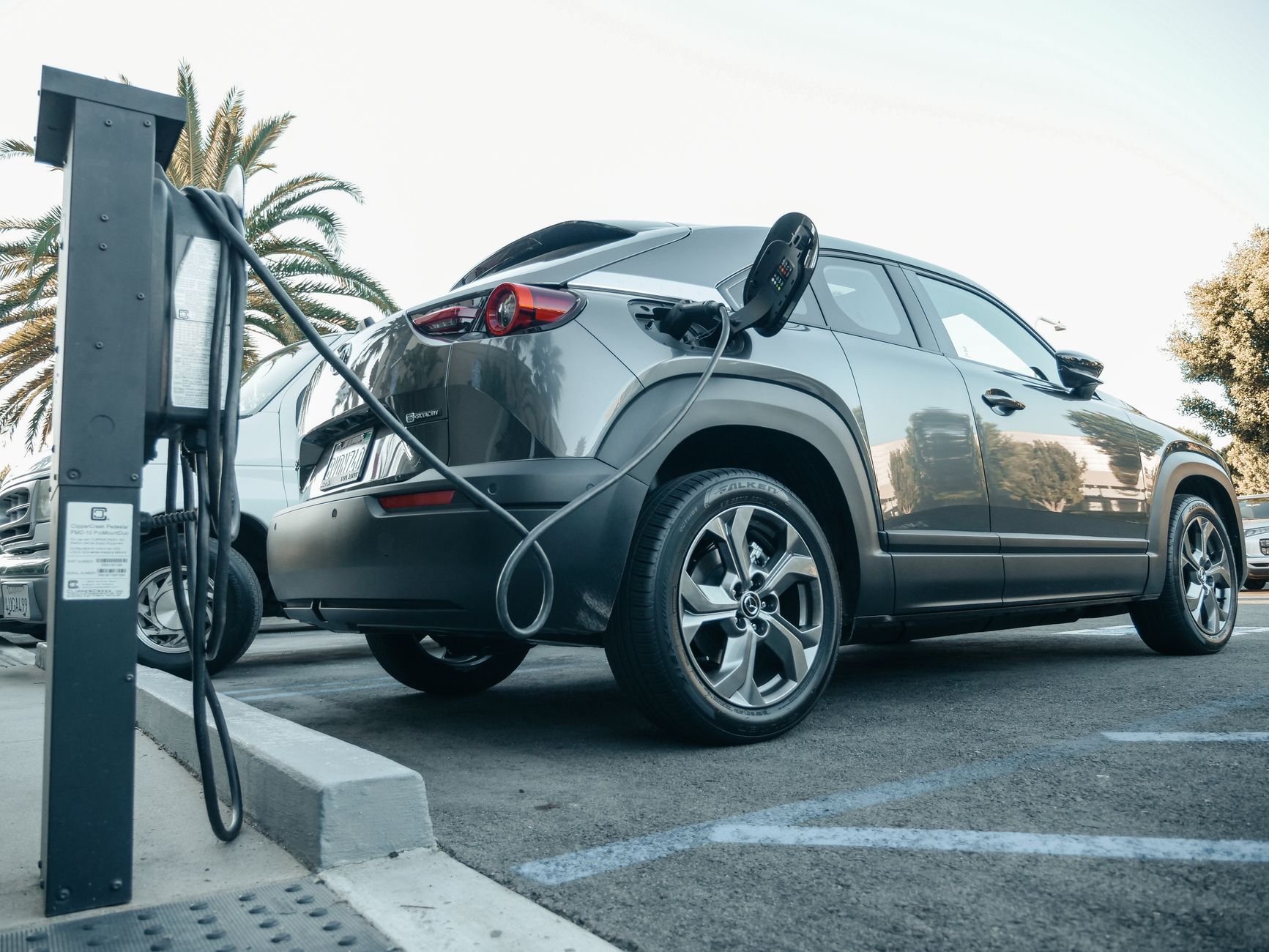
EV charging in Delhi is rapidly evolving, making it easier for electric vehicle owners to find reliable charging stations. This progress reflects the city’s commitment to sustainable transportation.
Introduction to EV Charging in Delhi
As the capital city of India, Delhi is making significant strides in promoting electric vehicles (EVs) and enhancing the infrastructure necessary for their operation. EV charging in Delhi has emerged as a crucial aspect of this transformation, providing drivers with the convenience and accessibility they need to adopt eco-friendly transportation alternatives.
The Delhi government has introduced various initiatives aimed at expanding the EV charging network across the city. This includes:
- Installation of charging stations in public areas
- Incentives for private companies to set up charging points
- Awareness campaigns to educate residents about the benefits of EVs
With these developments, Delhi is not only addressing pollution concerns but also paving the way toward a sustainable future for urban mobility.
Current Infrastructure Developments
The government of Delhi is actively enhancing the EV charging infrastructure to support the growing number of electric vehicles on the road. Recent initiatives include the installation of multiple charging stations across key locations in the city, making it more convenient for drivers to access power for their vehicles.
Some significant developments include:
- Increased Number of Charging Points: Over 1,000 new charging stations are set to be established by the end of 2024.
- Fast Charging Technology: The introduction of fast chargers, reducing charging time to under 30 minutes.
- Public-Private Partnerships: Collaborations with private companies aim to expand the network further.
These efforts are crucial in promoting EV charging in Delhi, ultimately fostering a cleaner and more sustainable urban environment.
Government Initiatives Supporting EVs
The Delhi government has implemented several initiatives to promote EV charging in Delhi, aiming to enhance the adoption of electric vehicles. These initiatives include:
- Subsidies for Charging Stations: Financial incentives are provided to private entities and individuals establishing EV charging infrastructure.
- Public-Private Partnerships: Collaborations are encouraged to expand the network of charging stations across the city.
- Awareness Campaigns: The government is actively conducting campaigns to educate the public about the benefits of electric vehicles and available charging options.
- Regulatory Reforms: Streamlined regulations aim to simplify the process for setting up charging facilities, making it more accessible for businesses.
These measures reflect Delhi’s commitment to becoming a leader in sustainable transportation and reducing air pollution.
Challenges in EV Charging Expansion
Despite the promising growth of EV charging in Delhi, several challenges hinder its expansion. One major issue is the inadequate number of charging stations, which falls short of meeting the increasing demand from electric vehicle users. Additionally, the existing infrastructure often struggles with power supply limitations, leading to long wait times for drivers.
Moreover, public awareness about the locations and availability of charging points remains low, further complicating the adoption of electric vehicles. There are also concerns regarding the interoperability of charging systems, as different EV models may require specific types of chargers. Lastly, the initial high investment costs for setting up charging stations can deter potential investors.
Addressing these challenges is crucial for the effective growth of EV charging in Delhi, ensuring a smoother transition to sustainable transportation.
Future of Electric Vehicles in Delhi
The future of electric vehicles in Delhi appears promising as the city continues to prioritize sustainable transport solutions. With the growing emphasis on reducing carbon emissions, the demand for EV charging in Delhi is expected to rise significantly. Various stakeholders, including government bodies and private enterprises, are collaborating to enhance the existing infrastructure.
Key factors shaping the future include:
- Technological Advancements: Innovations in battery technology and charging speed will make electric vehicles more appealing to consumers.
- Public Awareness: Increased awareness about the benefits of EVs is leading to higher adoption rates.
- Investment in Infrastructure: More charging stations will be established in strategic locations, facilitating easier access for drivers.
As these developments unfold, Delhi aims to become a leader in the electric vehicle revolution.
User Experience with Charging Stations
The user experience with charging stations in Delhi is evolving as the demand for EV charging in Delhi increases. Many drivers report that the convenience and accessibility of charging points have improved significantly over the past year.
To enhance user satisfaction, several operators are implementing features such as:
- Mobile apps that provide real-time updates on station availability.
- Contactless payment options to streamline transactions.
- Fast charging technology that reduces wait times for drivers.
Despite these advancements, some users still encounter challenges, including the occasional malfunctioning station or long queues during peak hours. However, as the network expands and technology advances, it is expected that the overall user experience will continue to improve, making EV charging in Delhi a more seamless process for all drivers.
Conclusion: The Road Ahead for EVs in Delhi
As Delhi continues to invest in its EV infrastructure, the future of EV charging in Delhi looks promising. The city’s commitment to expanding charging networks and implementing innovative technologies will play a crucial role in encouraging more drivers to switch to electric vehicles.
To achieve significant progress, collaboration between the government, private sectors, and citizens is essential. Public awareness campaigns will help demystify the charging process and promote the environmental benefits of electric vehicles.
Moreover, addressing the current challenges, such as accessibility and range anxiety, will be vital for widespread adoption.
In conclusion, as Delhi paves the way for a greener future, the expansion of EV charging stations will not only support the shift to electric mobility but also contribute to cleaner air and a sustainable urban environment.