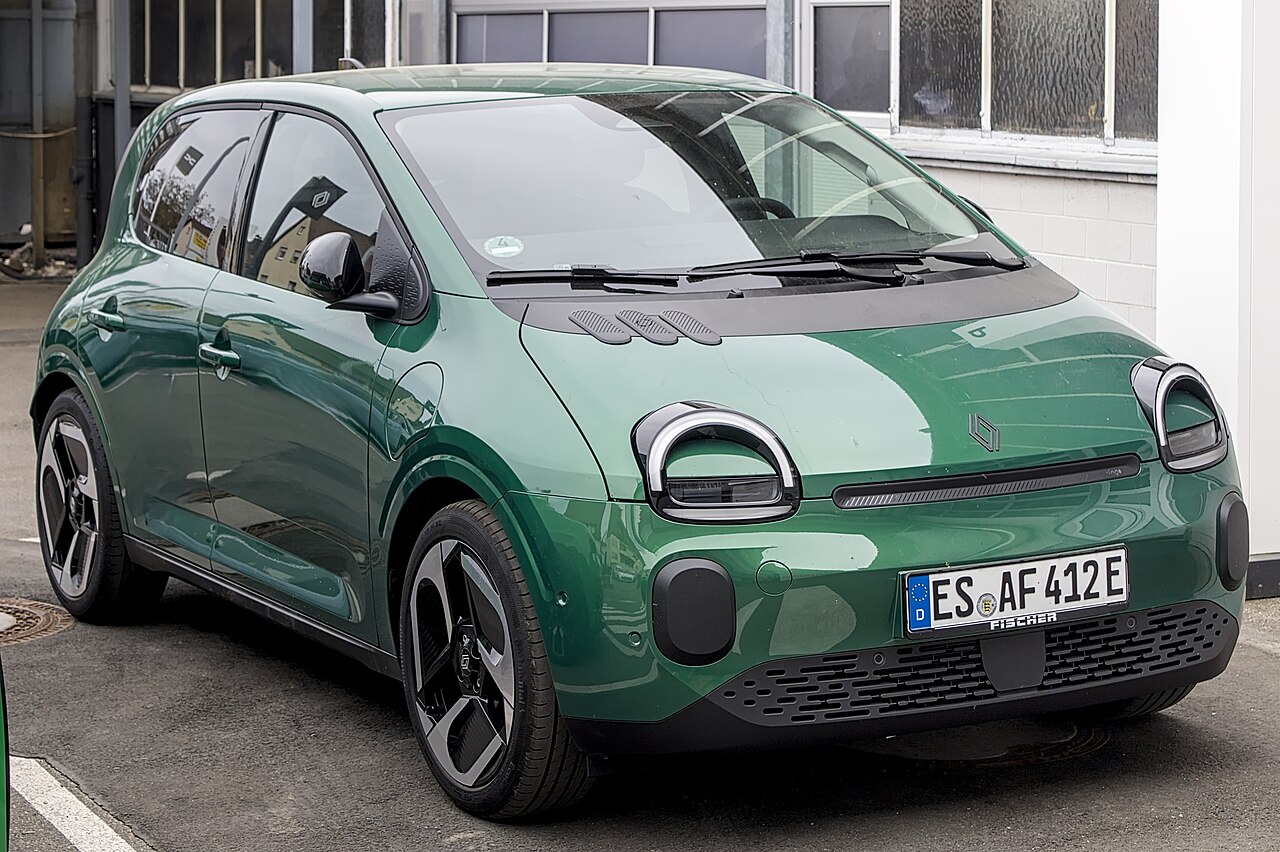
Bulgaria Sin Cars EV has halted production of its electric vehicle model, raising concerns in the automotive industry. This unexpected move highlights challenges faced by manufacturers in the evolving EV landscape.
Overview of Bulgaria’s Sin Cars
Bulgaria’s Sin Cars, a company known for its innovative approach to electric vehicles (EVs), has recently announced a significant production halt, marking one of the worst disruptions in its history. This decision has raised concerns among consumers and industry experts alike, as the company had positioned itself as a key player in the growing EV market.
Founded with the vision of creating high-performance electric cars, Sin Cars has made headlines for its ambitious projects and cutting-edge technology. However, the recent cessation of production has sparked uncertainty regarding the future of the company and its ability to deliver on its promises.
Several factors contribute to this unexpected halt:
- Supply Chain Issues: Ongoing global supply chain disruptions have affected the availability of critical components needed for EV manufacturing.
- Financial Challenges: The company has faced mounting financial pressures that have hindered its ability to sustain production levels.
- Market Competition: Intense competition in the electric vehicle market has put additional strain on Sin Cars as it strives to maintain its market share.
The implications of this production halt are far-reaching, not only for the company’s employees but also for the broader EV market in Bulgaria. As Sin Cars navigates these challenges, stakeholders will be closely monitoring developments in hopes of a swift recovery.
Impact on the Electric Vehicle Market
The recent production halt of Bulgaria’s Sin Cars EV has sent shockwaves through the electric vehicle market, which has been witnessing rapid growth and innovation in recent years. Industry experts warn that this disruption could have lasting repercussions not just for Sin Cars, but for the wider EV landscape in Bulgaria and beyond.
As one of the few manufacturers focusing on electric vehicles in the region, the halt in Sin Cars’ production raises concerns about supply chain stability and consumer confidence. Potential buyers may now hesitate to invest in Sin Cars EV models, fearing further delays or a lack of future support and service options.
Moreover, the situation could lead to a ripple effect among other EV manufacturers, who might reassess their production strategies and investments in the Bulgarian market. The electric vehicle sector relies heavily on collaboration and competition to drive advancements, and any setback can hinder technological progress.
Investors are particularly anxious, as the electric vehicle market is viewed as a high-potential sector. The failure to deliver on production promises from Bulgaria’s Sin Cars could deter future investments, stalling innovation and growth in an industry that is crucial for sustainable transportation.
In conclusion, the impact of the production halt at Bulgaria’s Sin Cars EV is significant, threatening to undermine the momentum built within the electric vehicle market.
Reasons Behind Production Halt
The recent production halt at Bulgaria’s Sin Cars EV has sent shockwaves through the automotive industry, raising questions about the sustainability and future of electric vehicle manufacturing in the region. Several factors have contributed to this unprecedented situation.
- Supply Chain Disruptions: Global supply chain challenges have severely impacted the availability of critical components necessary for electric vehicle production. These disruptions have led to delays and increased costs, pushing Sin Cars to a standstill.
- Financial Constraints: The company has faced ongoing financial difficulties, leading to budget cuts and reduced operational capacity. Insufficient funding has hindered the ability to maintain production levels and explore new technologies.
- Regulatory Challenges: Stricter regulations surrounding emissions and energy efficiency have placed additional burdens on the manufacturing process. Compliance with these regulations has proven to be a significant hurdle for Sin Cars EV.
- Market Competition: The electric vehicle market has become increasingly competitive, with numerous established players and new entrants vying for market share. Sin Cars has struggled to keep pace with rapid advancements in technology and consumer preferences.
As the industry watches closely, the implications of this production halt on Bulgaria’s Sin Cars EV could be profound, potentially reshaping the landscape of electric vehicle manufacturing in the region.
Future of Sin Cars EV Models
The future of Sin Cars EV models remains uncertain following the recent production halt. As the electric vehicle market evolves, many are left wondering how this setback will affect the company’s standing in the industry.
Industry experts suggest that the halt could have significant implications for both the company and its loyal customer base. Sin Cars EV has been recognized for its innovative designs and commitment to sustainability, but the pause in production raises questions about their ability to compete against larger manufacturers.
Consumers are particularly concerned about the following:
- Product Availability: With production suspended, potential buyers may have to look elsewhere for electric vehicles, impacting sales.
- Investment in Technology: The lack of new models may hinder advancements in electric vehicle technology, putting Sin Cars EV at a disadvantage.
- Brand Reputation: Continuous production issues could tarnish the brand’s image, leading to a loss of consumer trust.
Despite these challenges, there are still opportunities for recovery. Analysts believe that strategic partnerships and a renewed focus on customer needs could help Sin Cars EV regain its footing in the competitive electric vehicle landscape. The coming months will be crucial as the company seeks to navigate this difficult period.
Industry Reactions and Insights
The recent announcement regarding Bulgaria Sin Cars EV’s production halt has sparked a wave of reactions across the automotive industry. Industry experts have expressed concern over the long-term implications of this significant setback. Many believe that the halt could hinder Bulgaria’s reputation as an emerging hub for electric vehicle manufacturing.
In response to the news, automotive analysts have highlighted the challenges facing the electric vehicle sector, particularly in Eastern Europe. One analyst noted, “The disruption at Bulgaria Sin Cars EV could lead to a ripple effect, where other manufacturers may rethink their investments in the region.”
Additionally, stakeholders from various sectors are weighing in on the situation. Investors are particularly anxious, as multiple funding rounds were tied to the anticipated success of Sin Cars’ electric models. The uncertainty surrounding production has raised questions about the viability of future projects.
In contrast, some industry insiders remain optimistic, suggesting that this halt may serve as a wake-up call for Sin Cars to reassess their strategies and improve operational efficiency. “Every challenge presents an opportunity,” one insider remarked. “If handled correctly, this could lead to stronger innovation down the line.”
As the situation unfolds, all eyes will be on Bulgaria Sin Cars EV to see how they navigate this tumultuous period.
The recent production halt has raised concerns among investors and consumers alike regarding the future of Bulgaria Sin Cars EV. Industry experts are speculating on the potential impacts this setback may have on the company’s reputation and market position.
References
Tata Motors price hike: How much more will you pay? · Honda CB500 Launch: Is It the Best Bike for You? · JSW Motors brand identity: Is it the best choice for launch?