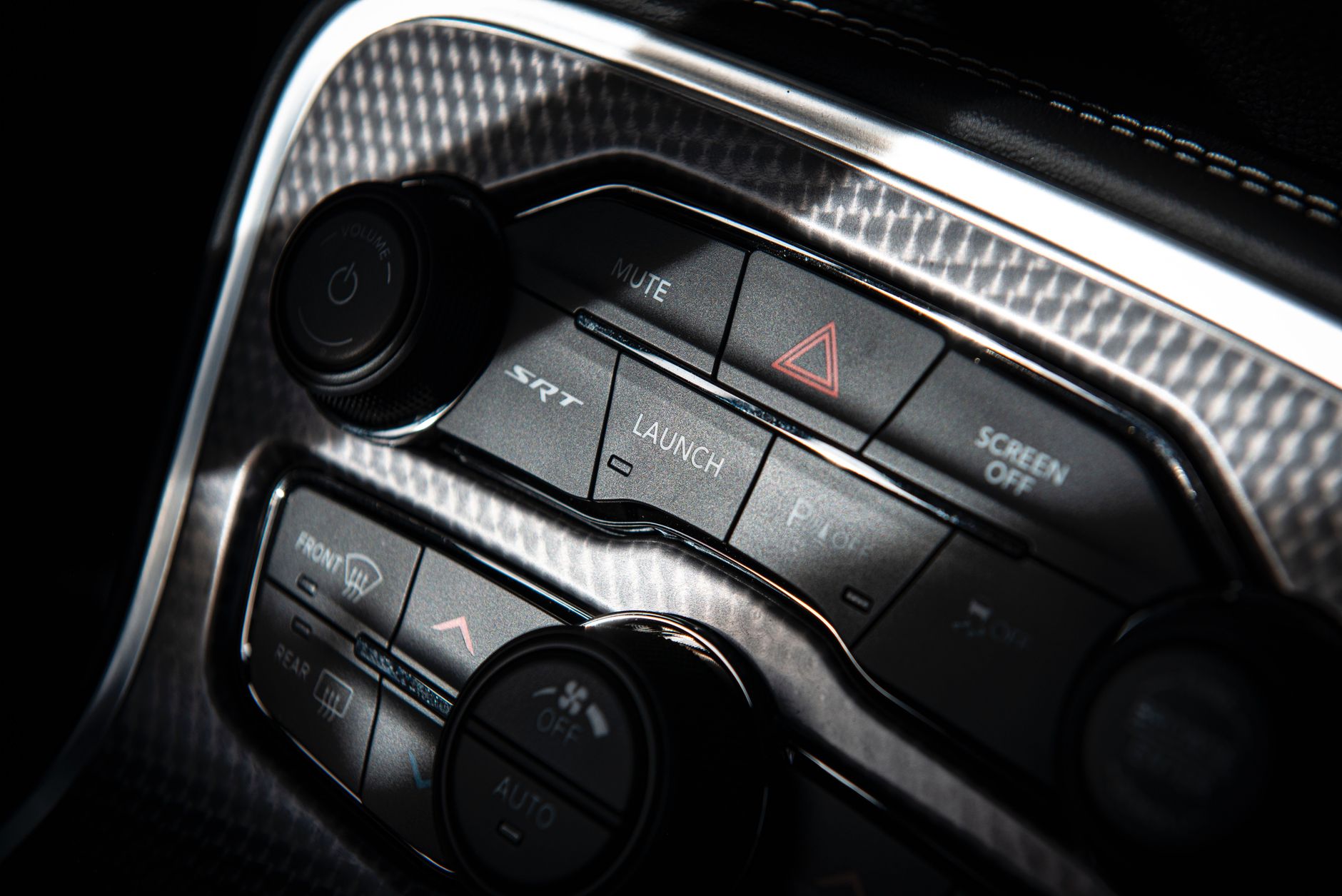
Automated launch control is set to revolutionize drag racing. With GM’s latest patent, the landscape for professional racers is about to change dramatically.
What is Automated Launch Control?
Automated launch control is a sophisticated technology designed to optimize the start of a vehicle in racing scenarios, particularly in drag racing. This system leverages advanced algorithms and data sensors to calculate the perfect launch parameters, allowing drivers to achieve optimal acceleration without the typical challenges associated with manual control.
In essence, automated launch control takes human error out of the equation. It ensures that the vehicle’s power is applied at the right moment, maximizing traction and minimizing wheel spin. As a result, racers can enjoy a more consistent performance, which can be a significant advantage on the track.
However, the introduction of automated launch control has raised concerns among traditional drag racers. Many fear that this technology could diminish the skill involved in the sport, leading to a more homogenized racing experience. The reliance on automation may reduce the driver’s role, transforming the sport from one that celebrates human finesse to one that leans heavily on technological prowess.
As manufacturers like General Motors continue to refine and patent these systems, the impact on the future of drag racing remains uncertain. Enthusiasts are left to wonder if the thrill of the race will be overshadowed by machines taking over the crucial moments of competition.
Impact of Automation on Drag Racing
The introduction of automated launch control systems has raised significant concerns among drag racers about the future of their sport. As technology advances, the reliance on automation threatens to diminish the skill and artistry that define drag racing.
Many racers argue that the essence of drag racing lies in the human ability to react and adapt in real-time. With automated systems taking over launch control, the unique thrill of mastering the perfect start could be lost.
Key impacts of automation on drag racing include:
- Skill Erosion: The necessity for finely-tuned reflexes and deep understanding of vehicle dynamics may diminish as drivers depend on machines.
- Job Displacement: As automated systems become prevalent, the traditional role of racers could be threatened, leading to fewer opportunities in the sport.
- Fan Engagement: The excitement of watching skilled drivers battle it out may wane, potentially leading to a decline in spectator interest.
- Increased Competition: With automation streamlining launches, races may become more predictable, reducing the thrill of competition.
Ultimately, while automation offers efficiency and precision, it poses a significant threat to the authenticity and excitement of drag racing.
GM’s Patent Details Explained
General Motors has recently made headlines with its patent for an automated launch control system, which could revolutionize the way drag racing is approached. This technology is designed to optimize vehicle performance by managing acceleration, wheel spin, and traction, allowing drivers to achieve the best possible start without the extensive skill traditionally required.
According to the patent details, the system utilizes advanced sensors and algorithms to analyze track conditions and driver input in real time. This allows the vehicle to adjust its power delivery precisely, ensuring maximum efficiency during takeoff. Key features include:
- Real-time data analysis: The system continuously monitors variables such as tire grip and engine performance.
- Adaptive control: It can modify launch parameters based on current conditions, providing a tailored experience for each race.
- Driver assistance: While it enhances performance, drivers retain the ability to intervene and customize settings if desired.
This patent raises questions about the future of drag racing, as the traditional skill set may become less relevant. As automated systems take the reins, the essence of competition could shift, leaving many enthusiasts concerned about the impact on the sport.
The Pros and Cons of Automation
The introduction of automated launch control in drag racing has sparked a heated debate among enthusiasts and professionals alike. While there are undeniable advantages to this technology, there are also significant drawbacks that could alter the sport’s landscape.
Pros:
- Enhanced Performance: Automated launch control can help drivers achieve optimal starts by eliminating the guesswork associated with manual launches, potentially leading to faster times.
- Consistency: With automation, drivers can expect more consistent performance across runs, reducing the variability that can come from human error.
- Accessibility: Newcomers to the sport may find it easier to participate, as automated systems can level the playing field against more experienced racers.
Cons:
- Loss of Skill: The reliance on automated launch control could diminish the skills that drivers have honed over years, leading to a less engaging experience.
- Job Security: As teams increasingly adopt these technologies, the role of the driver may evolve or even diminish, raising concerns about job security within the industry.
- Integrity of the Sport: Critics argue that automation could undermine the authenticity of drag racing, transforming it into a competition of technology rather than driver skill.
How Racers Are Responding
As the automotive industry embraces technological advancements, drag racers are facing a new challenge with the rise of automated launch control. Many racers are expressing concerns over the implications of this technology on their sport.
In response to GM’s recent patent, a growing number of enthusiasts and professional racers are voicing their opinions through various platforms, including social media and racing forums. Key responses include:
- Preserving Skill: Many racers argue that the essence of drag racing lies in the driver’s ability to master vehicle control, and automated systems could undermine this critical skill set.
- Competitive Fairness: There are fears that vehicles equipped with automated launch control will dominate races, creating an uneven playing field where traditional racers may struggle to compete.
- Community Pushback: Some racing communities are organizing petitions and discussions to advocate for regulations that would limit or even ban the use of such automation in competitive events.
- Innovation vs. Tradition: While some embrace technology as a means to push performance boundaries, others find it challenging to accept that automation could redefine the sport they love.
Ultimately, the debate over automated launch control is sparking conversations about the future of drag racing and what it means to be a driver in an increasingly automated world.
Future of Drag Racing with Automation
The future of drag racing is poised for a significant transformation as the integration of automated launch control systems becomes more prevalent. This technology promises to enhance performance and consistency, but it also raises concerns among traditionalists and professional racers about the essence of the sport.
As automated launch control systems are further developed, racers may find themselves grappling with the following challenges:
- Loss of Skill: The art of mastering a vehicle’s launch is a fundamental part of drag racing. With automation, there is a fear that the skill set required will diminish.
- Increased Competition: With automated systems providing a performance edge, the competitive landscape may shift dramatically, favoring those who can afford the latest technology.
- Regulatory Response: Racing organizations may need to reconsider rules and regulations to maintain a level playing field and preserve the sport’s authenticity.
- Fan Engagement: As the sport evolves, fans will need to adapt to new forms of racing, which may impact audience engagement and loyalty.
Ultimately, the introduction of automated launch control could redefine the thrill of drag racing, balancing innovation with the preservation of its rich heritage.
Conclusion: Embracing Change in Racing
As the world of drag racing continues to evolve, the introduction of automated launch control presents both challenges and opportunities for racers. Embracing change is essential for those who wish to remain competitive in an increasingly automated landscape. While some may view this technological advancement as a threat, others see it as a chance to enhance performance and streamline racing strategies.
The debate surrounding automation in drag racing highlights the need for racers to adapt their skills. Traditional techniques, such as mastering the art of the perfect launch, may become less relevant as automated systems take over. However, this shift also opens the door for racers to focus on other aspects of their craft, including vehicle tuning and race strategy.
Ultimately, the future of drag racing will likely involve a blend of human skill and automated technology. Racers who are willing to embrace these changes may find themselves at an advantage, leveraging automation to achieve quicker times while still relying on their instincts and experience.
In conclusion, the rise of automated launch control signifies a turning point in the sport. It encourages a reevaluation of what it means to be a successful drag racer, paving the way for innovation while honoring the rich traditions of racing.
Photo by Derwin Edwards on Pexels