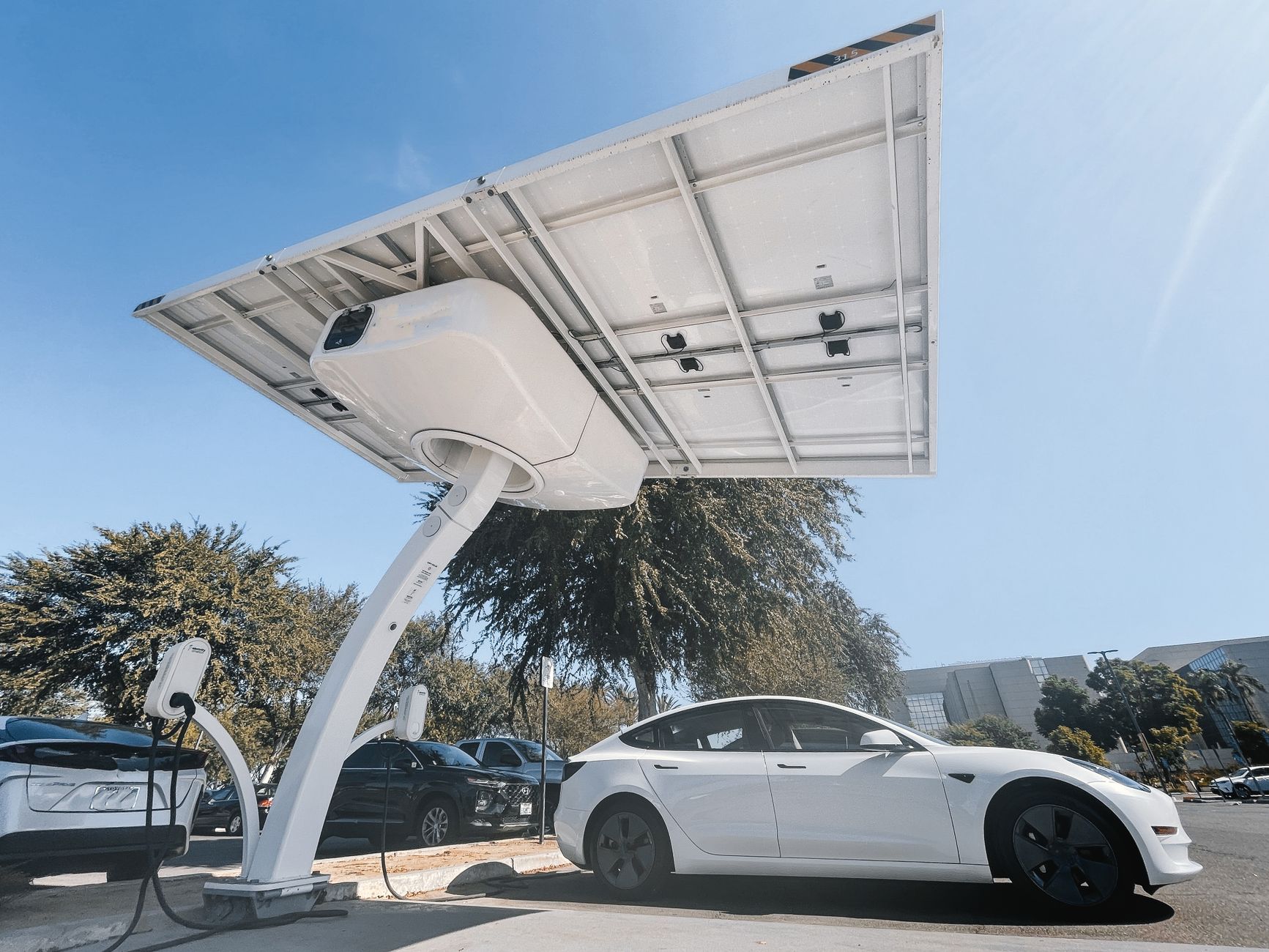
The solar-powered microgrid is set to transform the landscape of EV charging stations. Researchers at NIT Rourkela have patented this innovative technology, promising enhanced reliability and efficiency for electric vehicle users.
What is a Solar-Powered Microgrid?
A solar-powered microgrid is an innovative energy system designed to provide reliable and sustainable power, particularly for electric vehicle (EV) charging stations. This technology utilizes solar panels to harness sunlight, converting it into electricity that can be used on-site or stored for future use. By integrating energy storage solutions, these microgrids ensure a consistent power supply, even during periods of low sunlight.
Researchers at NIT Rourkela have recently patented a solar-powered smart microgrid that enhances the efficiency and reliability of EV charging stations. The system is capable of operating independently from the main power grid, making it an ideal solution for areas with limited access to electricity.
Key features of a solar-powered microgrid include:
- Decentralization: Reduces dependence on centralized power sources.
- Resilience: Maintains operation during grid failures.
- Environmental Benefits: Reduces carbon footprint by utilizing renewable energy.
This innovative approach is paving the way for a more sustainable future in EV charging infrastructure.
Benefits of Solar-Powered Microgrids
The integration of solar-powered microgrids into electric vehicle (EV) charging infrastructure presents numerous advantages that enhance both efficiency and sustainability. Firstly, these systems harness renewable energy, significantly reducing greenhouse gas emissions associated with traditional fossil fuel-based energy sources.
Moreover, they offer enhanced energy independence. By generating their own electricity, solar-powered microgrids can operate autonomously, minimizing reliance on the grid and lowering energy costs for users. This autonomy is particularly beneficial in remote areas where access to conventional power sources is limited.
Additionally, solar-powered microgrids contribute to grid resilience. They can provide a stable energy supply during peak demand times or unexpected outages, ensuring that EV charging stations remain operational. This reliability is crucial as the number of electric vehicles on the road continues to grow.
Furthermore, the deployment of solar-powered microgrids fosters local job creation and stimulates economic growth by encouraging investment in renewable energy technologies.
In summary, solar-powered microgrids represent a practical and sustainable solution for enhancing the reliability of EV charging stations.
How Microgrids Enhance EV Charging Reliability
The rise of electric vehicles (EVs) has created an urgent demand for reliable charging infrastructure. Solar-powered microgrids offer a sustainable solution that enhances the reliability of EV charging stations. By integrating renewable energy sources, these microgrids can operate independently from the main power grid, ensuring uninterrupted service even during outages or peak demand periods.
One of the key advantages of solar-powered microgrids is their ability to store energy generated during sunny periods. This stored energy can be utilized when demand surges, providing a steady supply of power for EV charging. Additionally, microgrids can be strategically located near high-traffic areas, making charging stations more accessible to drivers.
Moreover, these microgrids contribute to reducing the carbon footprint associated with EV charging. By relying on solar power, they minimize reliance on fossil fuels, aligning with global sustainability goals. As the demand for EVs continues to grow, solar-powered microgrids are poised to play a pivotal role in shaping a more reliable and eco-friendly charging ecosystem.
The Future of Electric Vehicle Charging
The future of electric vehicle (EV) charging is increasingly intertwined with innovative technologies like the solar-powered microgrid. As the demand for EVs rises, so does the need for efficient and sustainable charging solutions. A solar-powered microgrid offers a decentralized approach to energy management, which can play a pivotal role in this transition.
One of the key advantages of integrating solar-powered microgrids into EV charging infrastructure is their ability to harness renewable energy, thus reducing reliance on fossil fuels. This shift not only lowers emissions but also stabilizes energy costs for consumers. Additionally, solar-powered microgrids can be designed to operate independently of the main grid, providing resilience during power outages and ensuring that EV owners have access to charging stations when they need it most.
As researchers explore and develop advanced solar-powered microgrid technologies, the potential for widespread adoption in urban and rural environments is significant. This innovation could redefine energy distribution, fostering a more sustainable future for electric mobility.
Research and Development at NIT Rourkela
Research at NIT Rourkela has made significant strides in the development of a solar-powered microgrid designed to enhance the reliability of electric vehicle (EV) charging stations. This innovative microgrid system integrates solar energy with smart technology, aiming to provide a sustainable and efficient charging solution in various environments.
The researchers have successfully patented their design, which prioritizes real-time energy management and minimizes reliance on traditional power sources. By harnessing the abundant energy from the sun, the solar-powered microgrid not only reduces operational costs but also contributes to a greener future.
Key features of this development include:
- Energy Storage: The microgrid incorporates advanced battery systems that store excess solar energy for use during peak hours.
- Smart Management: A sophisticated energy management system optimizes energy distribution based on demand.
- Scalability: The design can be adapted for various locations, making it suitable for urban and rural setups.
This research underscores the potential of solar-powered microgrids to revolutionize the EV charging landscape.
Challenges in Implementing Solar Microgrids
Despite the potential advantages of solar-powered microgrids for electric vehicle (EV) charging, several challenges hinder their widespread implementation. One significant issue is the high initial investment required for the technology. The cost of installing solar panels and integrating them with microgrid systems can deter potential investors and municipalities from pursuing these solutions.
Additionally, there are technical hurdles related to energy storage and management. Efficiently storing energy generated during peak sunlight hours for use during cloudy days or at night remains a challenge. This can affect the reliability of EV charging stations, which is critical for user confidence.
Another challenge is the regulatory landscape. Different regions have varying policies regarding renewable energy and microgrid systems, complicating efforts for standardization and scalability. Moreover, community acceptance can also pose obstacles, as residents may be concerned about the installation process or potential disruptions.
To overcome these challenges, ongoing research and development is crucial, as evidenced by initiatives at institutions like NIT Rourkela.
As cities strive to enhance their infrastructure for electric vehicles, the solar-powered microgrid presents a sustainable solution that can significantly reduce reliance on traditional power sources. By integrating renewable energy, the solar-powered microgrid not only supports EV charging but also promotes environmental conservation.
Photo by Kindel Media on Pexels
Read the original
Electric Charger Network: The Wrong Move for Two Wheelers · December Car Launches: The Best New Models to Consider · TVS Apache RTX 300: Is It the Best New Bike for 2023?