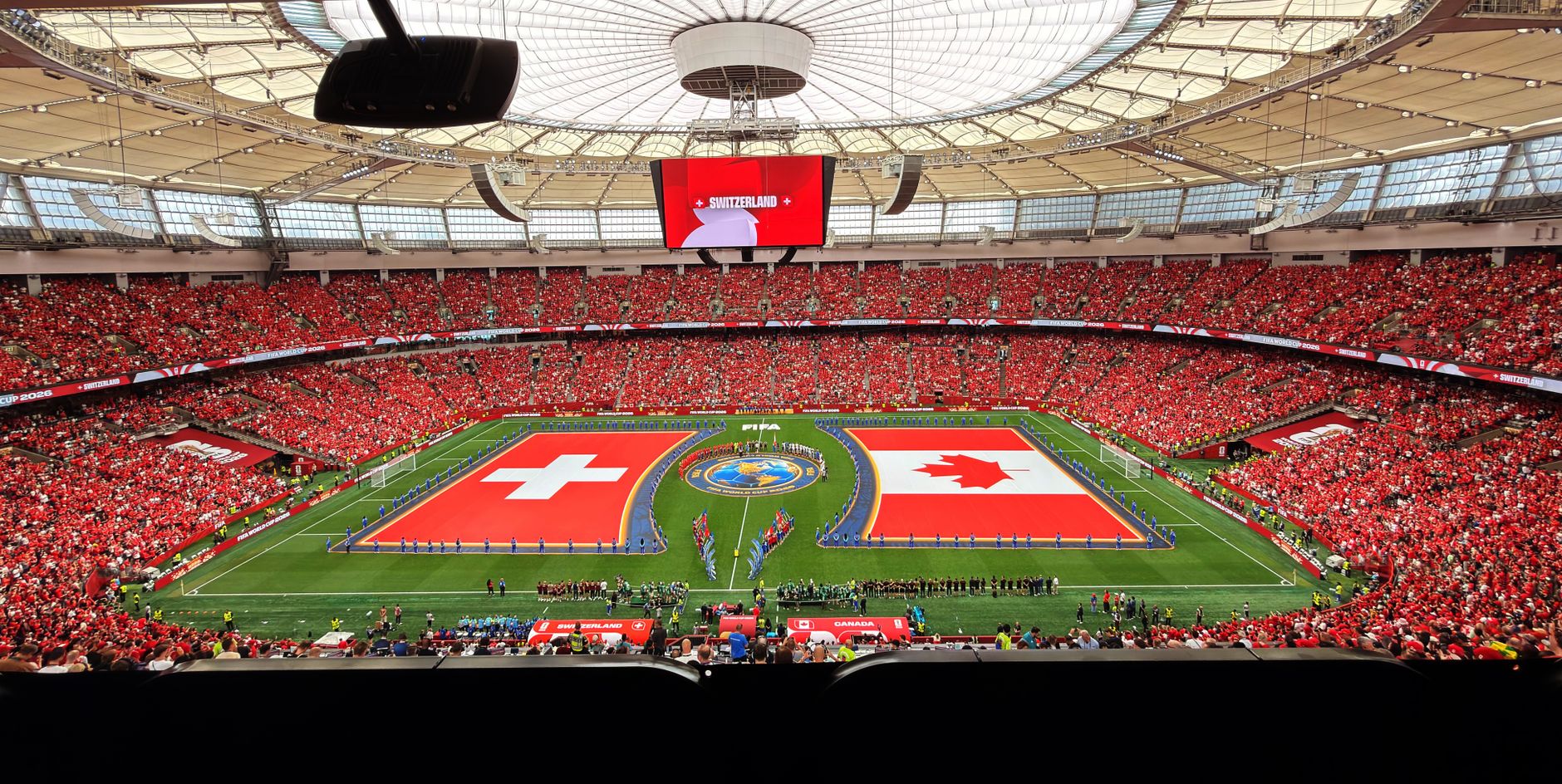
FIFA President re-election is on the horizon as Gianni Infantino confirms his intent to run again. This decision has sparked diverse reactions across the soccer community.
Overview of FIFA President’s Role
The role of the FIFA President is pivotal in shaping the future of soccer globally. This position encompasses a range of responsibilities, including overseeing the organization’s operations, promoting the sport, and ensuring that the values of fair play and integrity are upheld. The President also represents FIFA in international forums and is the primary decision-maker in matters related to tournaments, sponsorships, and governance.
With the FIFA President re-election approaching, scrutiny over the incumbent’s performance has intensified. Critics have raised concerns about transparency and governance within the organization, while supporters argue that continuity is essential for stability in a rapidly changing sports landscape.
As FIFA navigates numerous challenges, including the expansion of the World Cup and increasing stakeholder demands, the upcoming re-election will significantly impact the organization’s direction. The decision to stand for re-election reflects the President’s commitment to lead FIFA into a new era, with an emphasis on growth and inclusivity in soccer.
Gianni Infantino’s Tenure
Gianni Infantino’s tenure as FIFA President has been marked by significant changes and controversies. Since his election in 2016, he has pushed for reforms aimed at enhancing the global governance of soccer. His leadership has seen an increase in the number of teams participating in the World Cup, expanding the tournament to include 48 nations starting in 2026. This move aims to promote inclusivity and growth of the sport worldwide.
However, Infantino’s time in office has not been without its challenges. He has faced scrutiny regarding FIFA’s financial practices and its handling of various scandals. Critics argue that despite his efforts for transparency, questions linger about the organization’s integrity.
As the FIFA President re-election approaches, supporters claim that his vision for the future of soccer justifies a continuation of his leadership. Conversely, opponents seek a change, advocating for new perspectives in the governance of the sport.
Reactions to Infantino’s Announcement
The announcement of FIFA President Gianni Infantino’s intention to seek re-election has sparked varied reactions from the global soccer community. Many supporters believe his leadership has brought necessary reforms and stability to the organization. Former players and coaches have expressed their approval, citing improvements in tournament organization and financial transparency under his tenure.
However, critics argue that Infantino’s presidency has been marred by controversies, including allegations of corruption and insufficient attention to grassroots development. Fan organizations have voiced concerns, suggesting that a change in leadership could be essential for the future of the sport.
In light of the upcoming FIFA President re-election, stakeholders are divided. Some see a continuation of Infantino’s policies as vital for progress, while others advocate for a fresh perspective to address lingering issues. As the election approaches, the discourse surrounding his leadership continues to intensify.
Impact on International Soccer
The upcoming FIFA President re-election is poised to significantly impact international soccer. As the governing body of the sport, FIFA’s leadership plays a crucial role in shaping the future of soccer worldwide. Stakeholders, including players, clubs, and fans, are closely monitoring this election, as it can influence everything from tournament organization to the implementation of new regulations.
Gianni Infantino, who has faced both praise and criticism during his time in office, has emphasized the need for unity and progress within the sport. His re-election campaign promotes various initiatives aimed at enhancing global participation and promoting women’s soccer.
However, dissenting voices argue that his leadership has been marred by controversies, which could affect FIFA’s reputation. The election outcome will not only determine Infantino’s fate but also set the direction for international soccer in the coming years. With the world watching, the implications of this decision are vast and far-reaching.
Challenges Facing FIFA
The path to the FIFA President re-election is fraught with challenges that could impact the future of soccer globally. As the sport faces various pressing issues, Infantino’s leadership will be scrutinized more than ever.
One major challenge is the ongoing scrutiny surrounding FIFA’s governance and transparency. Critics argue that a lack of accountability has led to corruption scandals that tarnish the organization’s reputation.
Additionally, FIFA must navigate the complexities of expanding the World Cup format. The shift to a larger tournament structure raises concerns about logistics, player welfare, and the integrity of the competition.
There is also the pressing issue of gender equality in soccer. While strides have been made, many believe that more needs to be done to elevate women’s soccer on a global scale.
Lastly, the growing influence of commercial interests poses a risk to the sport’s integrity, making it crucial for the next FIFA President to prioritize the game’s core values.
Future of Soccer Governance
The future of soccer governance is closely tied to the upcoming FIFA President re-election. As the sport continues to evolve, the leadership at FIFA plays a crucial role in shaping its trajectory. With increasing scrutiny over governance practices and transparency, the next president will need to address these challenges head-on.
Many stakeholders in the soccer community are advocating for reforms that prioritize ethical management and inclusivity. The need for a president who can foster collaboration among various soccer organizations worldwide is evident. The upcoming election presents an opportunity for the governing body to demonstrate its commitment to the sport’s integrity.
Moreover, the new president will face the task of enhancing FIFA’s global image while also ensuring that the game remains accessible to all. As fans and players alike look ahead, the FIFA President re-election will be pivotal in determining the direction of soccer governance and its future impact on the sport.
Historical Context of FIFA Elections
The historical context of FIFA elections reveals a landscape marked by controversy and transformation. Since its inception, FIFA has undergone significant changes in leadership, often reflecting broader shifts in the global sports arena. The re-election of the FIFA President has traditionally been a pivotal moment, shaping the direction of soccer and its governance.
- Early Elections: The first FIFA President, Jules Rimet, held office from 1921 to 1954, establishing precedents for leadership and decision-making.
- 1980s and 1990s: With the rise of commercial interests, elections became battlegrounds for influence, culminating in scandals that rocked the organization.
- Modern Era: The election process has been scrutinized, leading to reforms intended to enhance transparency and integrity.
As Gianni Infantino seeks re-election, the historical context of FIFA elections emphasizes the importance of this moment for the future of soccer governance and the need for lasting change in the organization.
What’s Next for Infantino?
As Gianni Infantino prepares for his re-election campaign, many are left wondering what his next steps will be in addressing the myriad challenges facing FIFA. With his term marked by both controversy and significant developments in international soccer, Infantino’s approach will be crucial in shaping the future of the organization.
In the lead-up to the FIFA President re-election, Infantino is expected to prioritize several key initiatives:
- Increased transparency: Addressing concerns about governance and corruption within FIFA.
- Global expansion: Fostering the growth of soccer in underrepresented regions, ensuring a more inclusive global game.
- Women’s soccer: Promoting investment and support for women’s leagues and tournaments worldwide.
- Sustainability: Implementing eco-friendly practices in future tournaments to minimize environmental impact.
As the election approaches, Infantino’s plans will be closely scrutinized, with supporters and critics alike eager to see how he intends to navigate the complex landscape of global soccer governance.
The FIFA President re-election marks a pivotal moment for the sport, as it signals a commitment to continued growth and reform within the organization. Many fans and stakeholders believe that the FIFA President re-election could lead to a brighter future for soccer worldwide.
Photo by Rushi Patel on Pexels