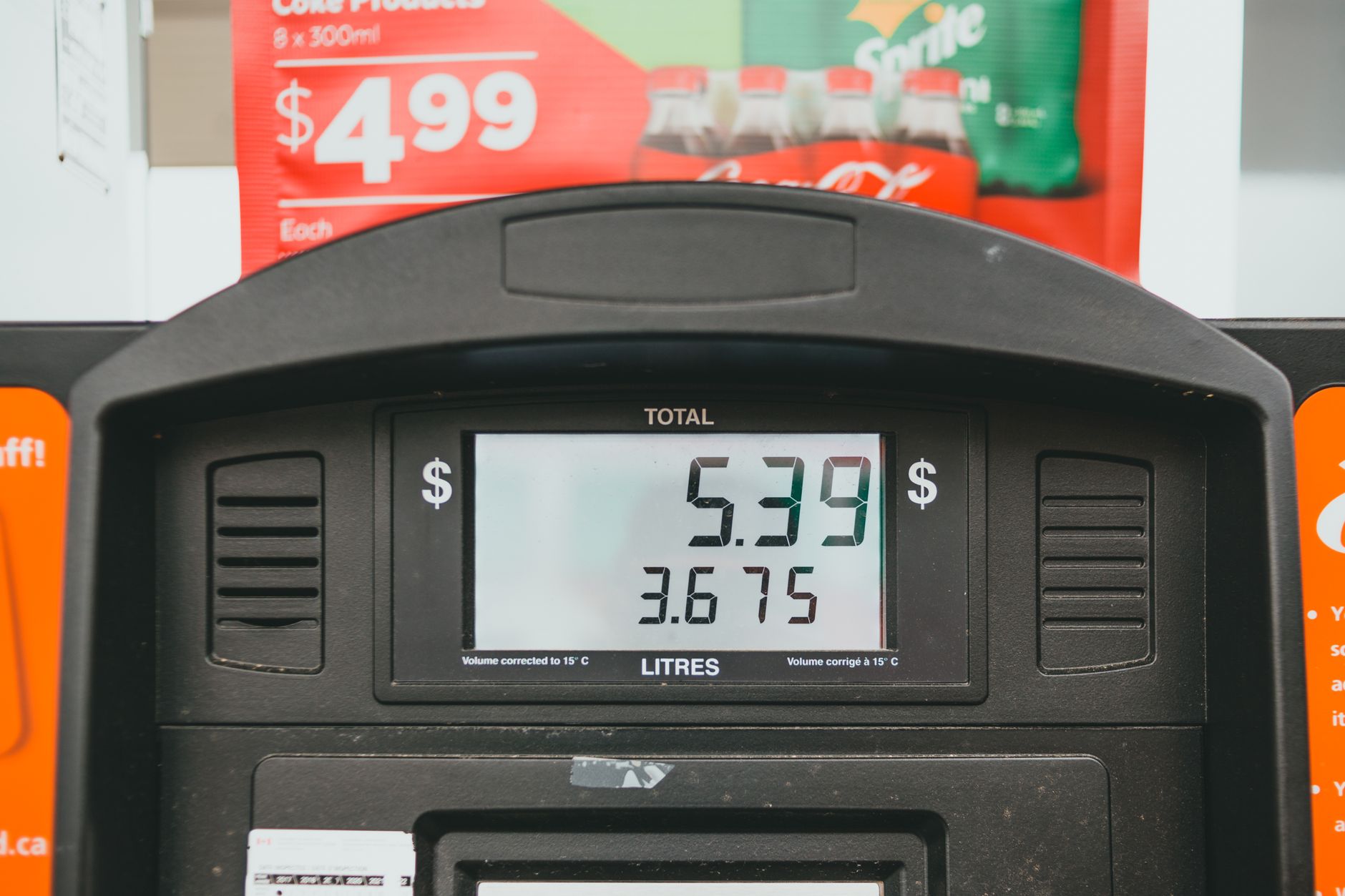
Trump gas prices are nearing Biden’s average, creating a significant challenge for the former president as he navigates the midterm elections.
Impact of Rising Gas Prices on Voter Sentiment
The impact of rising gas prices on voter sentiment has become increasingly significant as the midterm elections approach. With Trump gas prices remaining a hot topic, many voters are expressing their frustrations over the escalating costs of fuel. The average price per gallon has surged, leading to widespread concern about the financial strain on households.
According to recent polls, a majority of Americans cite rising fuel costs as a primary concern, influencing their opinions on incumbent politicians. The following factors contribute to this growing sentiment:
- Economic Pressure: Families are feeling the pinch as they allocate larger portions of their budgets to fuel. This economic strain is likely to affect voting behavior.
- Political Accountability: Voters are increasingly holding leaders responsible for the state of the economy, with many attributing rising gas prices to current policies.
- Energy Policy Critiques: Critics argue that the current administration’s energy policies have contributed to the spike in prices, making it a focal point for midterm campaigns.
As the elections draw closer, candidates will need to address concerns surrounding fuel prices and their broader implications for economic stability. The outcome could hinge on how effectively they respond to the electorate’s worries about rising costs and their potential impact on daily life.
Comparing Trump and Biden’s Fuel Policies
The contrasting fuel policies of former President Donald Trump and current President Joe Biden have become a focal point in the discussion surrounding rising gas prices, especially as the midterm elections approach. While Trump gas prices were characterized by a significant decrease during his administration, Biden’s tenure has seen a notable increase that has led to widespread voter discontent.
Supporters of Trump argue that his policies, which included deregulation and a focus on domestic oil production, created an environment where gas prices remained low. They point to the following key elements of his approach:
- Increased Oil Production: Trump prioritized the expansion of U.S. oil drilling and extraction, reducing reliance on foreign oil.
- Deregulation: He rolled back several environmental regulations that critics argue stifled production and increased costs.
- Tax Incentives: His administration provided incentives for fossil fuel companies to boost production.
Conversely, Biden’s policies have aimed at transitioning to cleaner energy sources. However, this shift has faced criticism as gas prices surged under his watch. Key aspects of Biden’s strategy include:
- Investment in Renewable Energy: A focus on green initiatives that some believe divert attention from immediate fuel needs.
- Regulations on Fossil Fuels: Increased regulations which have been argued to hinder production capabilities.
The upcoming midterms will likely see these contrasting approaches scrutinized as voters assess the impact on their wallets.
Economic Implications of High Gas Prices
The rising gas prices have significant economic implications that not only affect consumers but also shape the political landscape as the midterm elections approach. As Trump gas prices remain a focal point for voters, many households are feeling the pinch of increased fuel costs. The impact is more pronounced among low- to middle-income families who allocate a larger portion of their budgets to transportation.
Many experts predict that sustained high prices could lead to a decrease in consumer spending in other sectors, as families prioritize essentials like fuel. This shift could lead to broader economic slowdowns, affecting job growth and overall consumer confidence. Additionally, businesses that rely heavily on transportation may pass on these costs to consumers, thereby fueling inflation further.
With the midterms looming, the implications of high gas prices extend beyond individual budgets. Political analysts suggest that if gas prices continue to rise, it could sway voter sentiment significantly, impacting Trump’s party’s chances in the upcoming elections. Voters often hold incumbents accountable for economic conditions, and the narrative around Trump gas prices could become a critical talking point in campaign strategies.
Ultimately, the combination of high gas prices and its cascading effects on the economy could be a decisive factor in shaping the outcomes of the midterm elections.
What This Means for the Upcoming Elections
The upcoming elections are set to be heavily influenced by the current state of gas prices, with many voters attributing their financial struggles directly to rising fuel costs. Trump gas prices have become a significant topic of discussion as constituents weigh their options at the polls.
As voters face the consequences of soaring gas prices, their sentiments towards the candidates may shift dramatically. Key implications include:
- Voter Turnout: Higher gas prices typically lead to increased frustration among voters, which can mobilize them to participate more actively in the elections.
- Party Loyalty: If voters feel that the current administration has failed to manage fuel costs effectively, they may gravitate towards candidates who promise to tackle the issue head-on.
- Economic Messaging: Candidates will need to focus on economic narratives that resonate with constituents, emphasizing plans to alleviate the burden of high gas prices.
The stakes are particularly high for Trump, who faces scrutiny regarding his past fuel policies and how they compare to the current administration’s strategies. As gas prices continue to play a pivotal role in shaping voter opinions, both parties must navigate this critical landscape as they approach the midterm elections.
The impact of Trump gas prices on voter sentiment is becoming increasingly evident as the midterms approach. Many voters are expressing frustration over the rising costs, linking them directly to the policies implemented during his administration.
Photo by Erik Mclean on Pexels
References
Is the Renault Duster Hybrid the Best New Car Under ₹25 Lakh? · TATA Cars Service Camp: The Best Way to Enjoy Festivities · Flying Roadster Features: Best Proven Specs and Price