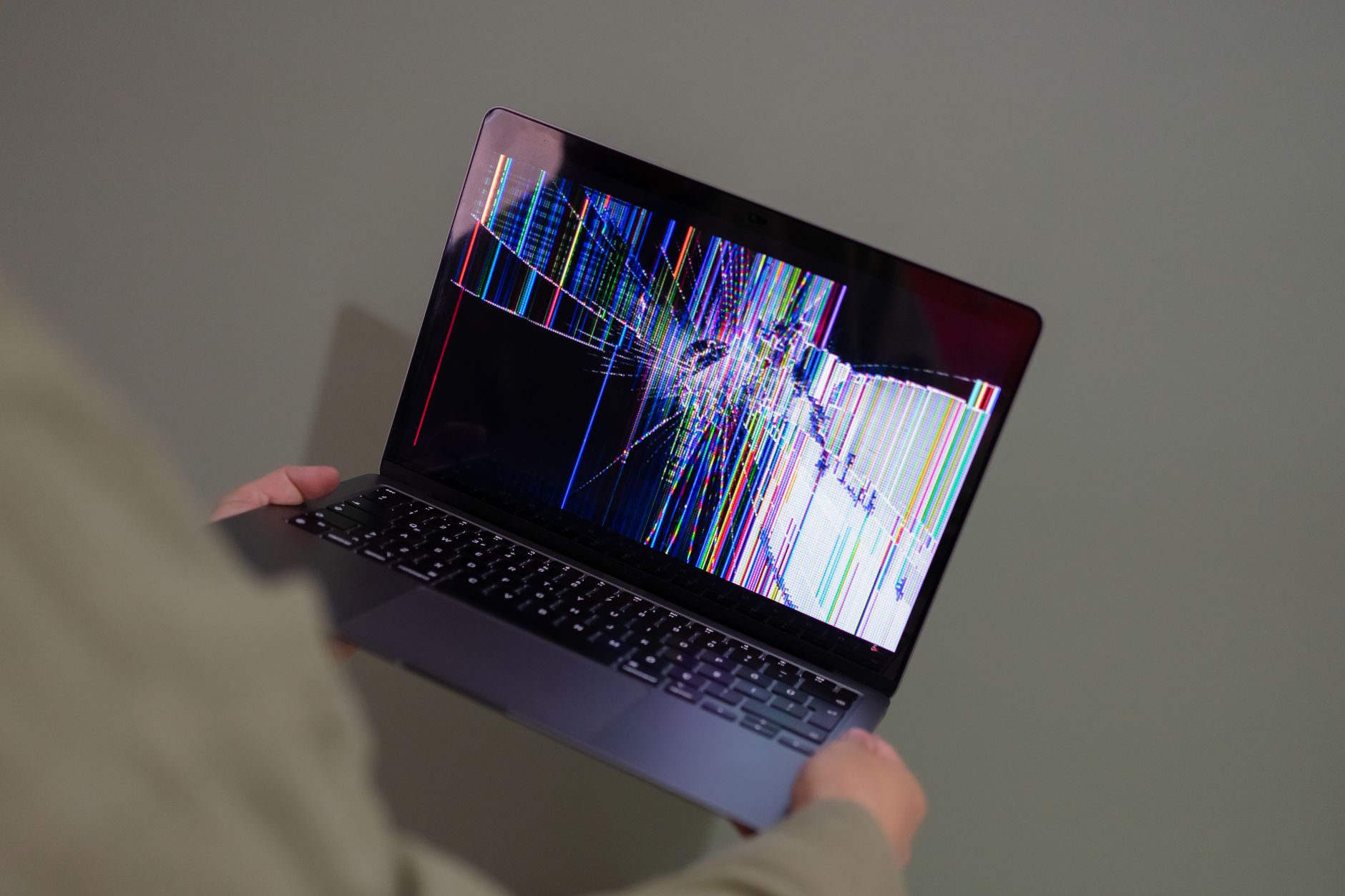
The PC price problem is impacting customers significantly as major brands like Hewlett Packard and Dell struggle with pricing strategies. This situation is raising concerns among consumers.
Understanding the PC Price Problem
The ongoing PC price problem is becoming increasingly evident as consumers grapple with rising costs associated with personal computers. Major manufacturers like Hewlett Packard and Dell are facing significant challenges that impact their pricing strategies and, ultimately, their customers.
Several factors contribute to this dilemma:
- Supply Chain Disruptions: Global disruptions have affected the availability of essential components, leading to increased manufacturing costs.
- Inflation: Rising inflation rates have made it difficult for companies to maintain previous price levels while still ensuring profitability.
- Increased Demand: As remote work and online education continue to thrive, the demand for PCs has surged, further complicating the pricing landscape.
Customers are feeling the pinch as they struggle to find affordable options. Many are forced to reconsider their purchasing power, often opting for older models or refurbished units to stay within their budgets. The lack of transparency in pricing strategies adds to the frustration, leaving consumers questioning the real reasons behind the escalating prices.
As the industry navigates these challenging waters, understanding the root causes of the PC price problem is essential for customers looking to make informed decisions.
Impact on Consumers
The ongoing PC price problem has significantly impacted consumers, leaving many frustrated and confused about their purchasing options. As manufacturers like Hewlett Packard and Dell increase prices, customers face tough decisions when it comes to investing in new technology.
Many consumers are now prioritizing their spending, leading to a notable shift in purchasing behavior. Key impacts include:
- Delayed Purchases: Numerous shoppers are postponing their plans to buy new PCs, hoping for more competitive pricing in the future.
- Budget Constraints: With rising costs, consumers are forced to reassess their budgets, often opting for lower-spec models that may not meet their needs.
- Increased Demand for Alternatives: Some users are turning to refurbished or second-hand PCs as a cost-effective solution, impacting the market for new devices.
Additionally, the price hikes have created uncertainty among consumers regarding the value of their current devices. Many are left wondering if they should upgrade or wait for a potential price drop, further complicating the situation.
Ultimately, the PC price problem reflects broader economic trends, leaving consumers navigating a challenging landscape in search of the best value for their technology investments.
Hewlett Packard’s Pricing Strategy
Hewlett Packard (HP) has faced significant scrutiny regarding its pricing strategy amid the ongoing PC price problem affecting consumers. As demand for personal computers fluctuates, HP has implemented various pricing tactics that have left many customers frustrated.
One of the primary issues is the inconsistency in pricing across different models and configurations. Customers often find themselves confused by the wide range of prices for similar specs, making it difficult to determine the best value for their needs. This situation is exacerbated by frequent sales and discounts that create a perception of inflated pricing during regular periods.
Furthermore, HP’s reliance on premium components has contributed to higher price points, which may alienate budget-conscious consumers. Many buyers are looking for affordable solutions without compromising quality. As a result, HP’s strategy may not resonate with all segments of the market.
In addition to pricing inconsistencies, HP has also faced criticism for its limited transparency in the pricing process. Customers are increasingly seeking clarity about what they are paying for, and lack of information can lead to dissatisfaction.
Ultimately, the PC price problem reflects broader market challenges, and HP’s approach will need to evolve to meet customer expectations effectively.
Dell’s Response to Market Changes
In response to the ongoing PC price problem affecting consumers, Dell has taken several strategic steps to adapt to the changing market landscape. The company acknowledges the challenges posed by rising component costs and supply chain disruptions, which have significantly impacted pricing structures.
To address these issues, Dell has implemented the following measures:
- Product Diversification: Dell is expanding its product range to include more budget-friendly options, aiming to cater to a wider audience while maintaining quality.
- Enhanced Supply Chain Management: The company is focusing on improving its supply chain efficiencies to mitigate costs and ensure timely delivery of products.
- Customer-Centric Initiatives: Dell is enhancing customer support services to help consumers navigate the complexities of the current market, providing more transparency about pricing and availability.
Despite these efforts, Dell faces stiff competition and market pressures that continue to influence PC prices. The company remains committed to finding solutions that benefit customers, but the broader industry dynamics suggest that the PC price problem will persist in the near future. As consumers navigate these challenges, Dell’s adaptive strategies may play a crucial role in shaping their purchasing decisions.
Comparing Prices Across Brands
As the PC price problem continues to affect consumers, it becomes essential to compare prices across various brands to understand the broader landscape. Leading manufacturers like Hewlett Packard and Dell often set the market trends, but their pricing strategies can differ significantly. Here are some key points to consider when comparing prices:
- Product Range: Brands offer a diverse range of models that cater to different user needs, from budget-friendly options to high-end gaming rigs. This variability can lead to wide price discrepancies.
- Sales and Promotions: Seasonal sales, back-to-school promotions, and holiday discounts can impact the final price consumers pay. It’s essential to keep an eye on these events to secure a better deal.
- Brand Value: Some consumers are willing to pay a premium for brands they trust. This perceived value can skew price comparisons, making it crucial to assess whether the extra cost translates to tangible benefits.
- Specifications: Comparing technical specifications is vital, as higher prices may reflect better performance, durability, and features, which can justify the cost.
Ultimately, understanding the nuances of each brand’s pricing approach is essential for consumers navigating the ongoing PC price problem.
Consumer Reactions to Price Hikes
As the PC price problem continues to unfold, consumer reactions have varied widely, reflecting the challenges many face when purchasing new computers. While some customers express frustration over rising costs, others are attempting to adapt by exploring different purchasing strategies.
- Frustrated customers have taken to social media to voice their concerns, with many highlighting how the increased prices have forced them to delay upgrades or settle for lower specifications.
- Others are searching for discount opportunities or considering refurbished models as a way to combat the price hikes.
- Some tech enthusiasts argue that despite the higher prices, the performance improvements in newer models justify the expense, leading to a split in consumer sentiment.
- Additionally, many customers are seeking more transparency from brands like Hewlett Packard and Dell regarding their pricing strategies, hoping for clearer explanations about what drives these increases.
Ultimately, as consumers navigate this challenging landscape, their feedback will be crucial for manufacturers in understanding how to address the PC price problem and meet the needs of their customer base effectively.
Future Outlook for PC Prices
The future outlook for PC prices remains uncertain as the industry grapples with ongoing challenges. The PC price problem stems from various factors, including supply chain disruptions, increasing demand for high-performance components, and the lingering effects of the pandemic. As manufacturers strive to balance production costs with consumer expectations, price fluctuations are likely to continue.
Experts predict that while some stabilization may occur, prices for entry-level models could remain high, limiting accessibility for budget-conscious buyers. This trend could push consumers to seek alternative solutions, such as refurbished models or even considering used devices as viable options.
Additionally, technological advancements may further complicate the situation. As new features become standard, the cost to produce PCs is expected to rise. Companies like Hewlett Packard and Dell are under pressure to innovate, but this often comes at a price that consumers may find prohibitive.
- Ongoing supply chain issues impacting production
- Consumer demand for high-performance features
- Potential for increased reliance on refurbished markets
Ultimately, the solutions to the PC price problem may require a collaborative effort between manufacturers and consumers to ensure a more balanced market.
Tips for Buyers Facing Price Increases
As consumers grapple with the ongoing PC price problem, it’s essential to equip yourself with strategies that can help mitigate the impact of rising costs. Here are some tips for buyers facing price increases:
- Research Before You Buy: Take the time to compare prices across different retailers. Websites that aggregate prices can help you find the best deals available.
- Consider Refurbished Models: Purchasing refurbished computers can be a cost-effective alternative. Many manufacturers offer warranties on these products, ensuring quality at a reduced price.
- Wait for Sales Events: Keep an eye out for major sales events such as Black Friday or back-to-school promotions when discounts are more likely.
- Evaluate Your Needs: Assess what specifications are truly necessary for your usage. Opting for a model that meets your needs without unnecessary extras can save money.
- Think Long-Term: Investing in a slightly more expensive model that lasts longer may be more economical than frequently replacing cheaper options.
By employing these strategies, consumers can navigate the current market conditions and make informed decisions, even in the face of the ongoing PC price problem.
Photo by Beyzanur K. on Pexels
Sources
You might also like
Yamaha R15 V4 Price: The Best Value for Your Ride · Luxury SUV Price: The Best Value for Your Money · Mercedes-Benz S-Class price: Is it the Best Deal for You?