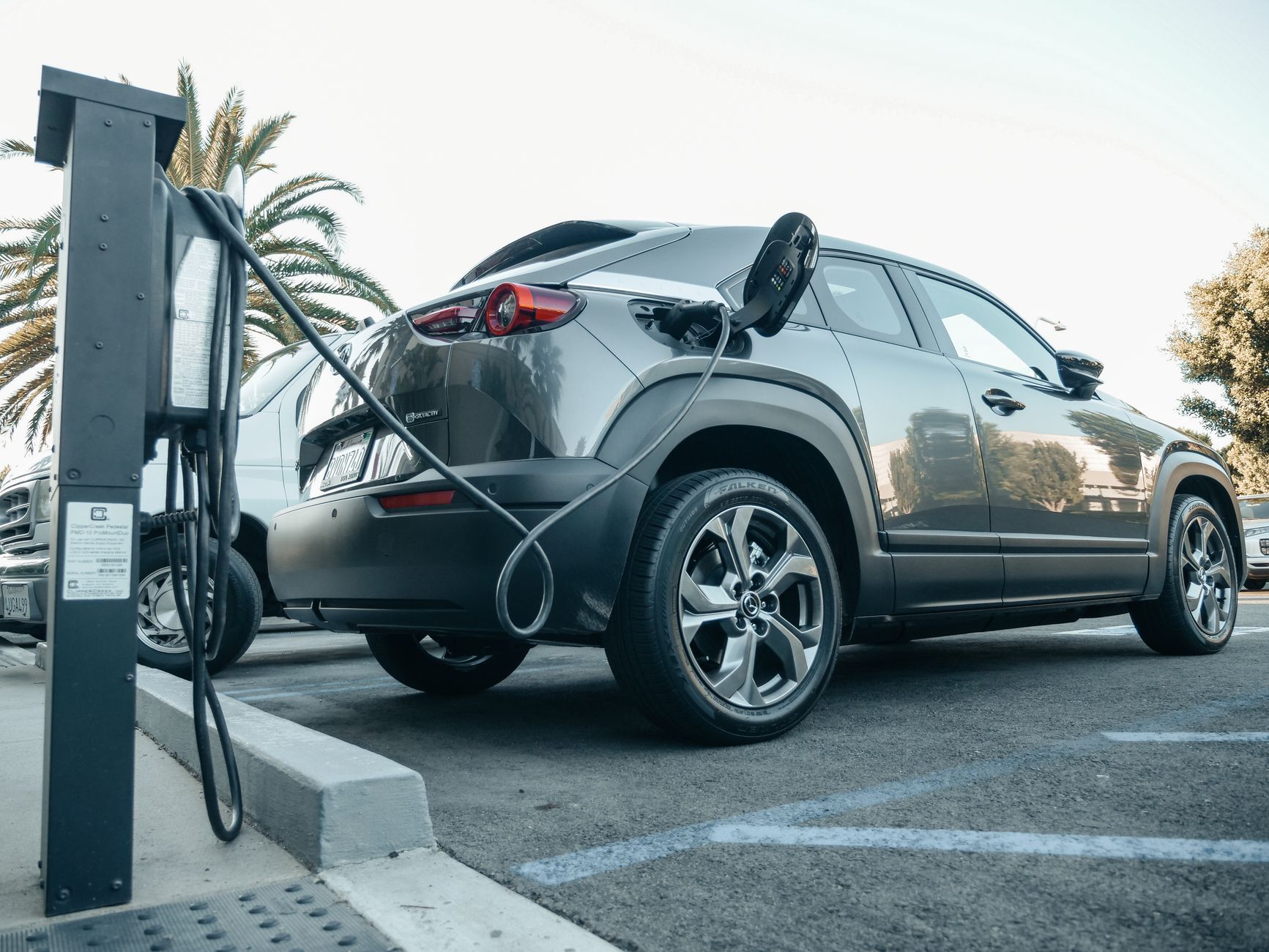
EV charging infrastructure is crucial for the growth of electric vehicles. ChargeZone is pioneering innovative business models that enhance accessibility and efficiency.
Understanding EV Charging Infrastructure
The development of EV charging infrastructure is vital for the widespread adoption of electric vehicles. As more consumers transition to electric vehicles, the need for an extensive and reliable charging network becomes paramount. Understanding the components and challenges associated with this infrastructure is essential for businesses looking to invest in this emerging market.
At its core, EV charging infrastructure consists of:
- Charging Stations: These are the physical locations where electric vehicles can be charged. They vary in type, including home chargers, public charging stations, and fast chargers.
- Power Supply: Reliable access to electricity is necessary to ensure that charging stations can operate effectively and meet demand.
- Network Management Systems: These systems facilitate the operation and monitoring of charging stations, providing data on usage and maintenance needs.
Businesses must also consider factors such as location, accessibility, and user experience when establishing charging stations. Moreover, partnerships with local governments and energy providers can enhance the viability of EV charging projects. By addressing these elements, companies can create a sustainable and profitable model for EV charging infrastructure, paving the way for a cleaner and more efficient transportation system.
The Rise of Electric Vehicles
The rise of electric vehicles (EVs) has transformed the automotive landscape, leading to an increasing demand for efficient and accessible EV charging infrastructure. As consumers become more environmentally conscious, the shift from traditional gasoline-powered vehicles to electric alternatives has accelerated. This transition is driven by several key factors.
- Government Initiatives: Many governments worldwide are implementing policies to promote electric vehicle adoption. These include tax incentives, rebates, and investments in charging infrastructure.
- Technological Advancements: Innovations in battery technology and charging systems have enhanced the performance and convenience of EVs, making them more appealing to consumers.
- Environmental Concerns: As awareness of climate change grows, individuals and businesses alike are seeking sustainable transportation solutions, further boosting the demand for EVs.
- Cost Savings: The long-term savings associated with electric vehicles, including lower maintenance costs and fuel expenses, attract more buyers to switch from conventional vehicles.
As the market for electric vehicles expands, the need for robust EV charging infrastructure becomes increasingly critical. This not only supports the growing number of EVs on the road but also ensures that charging stations are available and convenient for all users, ultimately fostering a sustainable transportation ecosystem.
ChargeZone’s Innovative Approach
ChargeZone has emerged as a leader in enhancing the EV charging infrastructure with its innovative business model. By focusing on strategic partnerships, ChargeZone aims to expand its network of charging stations across urban and rural locations, making electric vehicle charging more accessible to all.
The company utilizes a multi-faceted approach that includes:
- Collaboration with Local Governments: ChargeZone works closely with municipalities to identify optimal locations for charging stations, ensuring that they meet community needs.
- Partnerships with Businesses: By partnering with retail and service businesses, ChargeZone installs charging stations at popular destinations, encouraging EV owners to shop while they charge.
- Investment in Technology: The company is committed to integrating the latest charging technologies, providing fast and efficient charging solutions to enhance user experience.
- Subscription Services: ChargeZone offers flexible subscription plans for users, giving them access to a broader network of charging stations without the burden of ownership costs.
Through these strategies, ChargeZone not only addresses the growing demand for EV charging infrastructure but also sets a benchmark for sustainability in the transportation sector. Their model proves that a well-planned approach can drive the adoption of electric vehicles while benefiting local economies.
Key Benefits of EV Charging Solutions
The expansion of EV charging infrastructure presents numerous advantages for both businesses and consumers. As electric vehicle adoption accelerates, the demand for accessible and reliable charging solutions becomes paramount. Here are some key benefits of implementing EV charging solutions:
- Increased Customer Attraction: Offering charging stations can draw in electric vehicle owners, creating a new customer base for businesses.
- Enhanced Brand Image: Companies that invest in sustainable practices, such as EV charging infrastructure, are often viewed more favorably by environmentally conscious consumers.
- Revenue Generation: Businesses can monetize their charging stations through various pricing models, turning a service into a profitable venture.
- Government Incentives: Many regions provide financial incentives or grants for businesses that install EV charging stations, reducing initial costs.
- Future-Proofing: Investing in EV charging infrastructure positions businesses ahead of regulatory changes and consumer trends towards electric vehicles.
Moreover, with advancements in technology, integrating smart charging solutions not only enhances user experience but also optimizes energy consumption. As the landscape of transportation evolves, the benefits of embracing EV charging solutions will become increasingly evident for businesses aiming to thrive in a sustainable future.
Challenges in Implementing Infrastructure
The implementation of EV charging infrastructure faces several challenges that need to be addressed for widespread adoption. These challenges can significantly impact the effectiveness and efficiency of charging solutions. Some of the primary obstacles include:
- High Initial Costs: Establishing a robust charging network requires substantial investment in equipment, installation, and maintenance, which can deter potential investors.
- Regulatory Hurdles: Navigating local, state, and federal regulations can complicate the development process and delay project timelines.
- Site Selection: Identifying optimal locations for charging stations is crucial, as they must be accessible and convenient for users, yet often face competition for space.
- Technological Compatibility: With various EV models and charging standards available, ensuring compatibility across different systems can be a technical challenge.
- Public Awareness: Many potential users remain unaware of the benefits and availability of EV charging infrastructure, which can hinder adoption rates.
Overcoming these challenges is essential for the successful expansion of EV charging infrastructure. Collaborations between private companies, government entities, and stakeholders are necessary to create a cohesive strategy that addresses these issues while promoting growth in the electric vehicle market.
Future Trends in EV Charging
The future of EV charging infrastructure is poised for significant transformation as advancements in technology and shifts in consumer behavior drive new trends. One major trend is the expansion of fast-charging networks, enabling quicker charging times for electric vehicles. This development is crucial as it addresses consumer concerns about downtime and enhances the overall user experience.
Additionally, the integration of renewable energy sources into charging stations is gaining traction. This shift not only promotes sustainability but also aligns with the growing demand for eco-friendly solutions among consumers. The incorporation of solar panels and wind energy into EV charging infrastructure can help reduce operational costs and carbon footprints.
Another promising trend is the rise of smart charging technology. This innovation allows users to schedule charging during off-peak hours, taking advantage of lower energy rates and contributing to grid stability. Furthermore, dynamic pricing models are emerging, where charging costs fluctuate based on demand, encouraging users to charge at optimal times.
As these trends unfold, businesses and municipalities will need to adapt their strategies to capitalize on the evolving EV charging landscape, ensuring that EV charging infrastructure meets the growing needs of electric vehicle users.
Comparing Business Models in the Industry
The landscape of EV charging infrastructure is evolving rapidly, with various business models emerging to cater to the growing demand for electric vehicle support. In this competitive market, companies must choose their strategies wisely to ensure profitability and sustainability.
Several business models are currently prevalent in the industry:
- Direct Ownership: Companies invest in and manage their charging stations, allowing them to maintain control over pricing and user experience. This model requires significant upfront capital but can yield high returns if managed effectively.
- Partnerships: Collaborating with local businesses, municipalities, or energy providers can reduce costs and expand reach. This model enables sharing of resources and customer bases, enhancing overall service availability.
- Franchise Models: These allow entrepreneurs to operate charging stations under a recognized brand, benefiting from established marketing and support while expanding the infrastructure network.
- Subscription Services: Charging networks offer memberships that provide users with discounted rates and additional perks, creating a steady revenue stream while fostering customer loyalty.
Ultimately, the best proven business model combines elements of these approaches, ensuring flexibility and responsiveness to market demands. As the EV market continues to grow, so too will the necessity for innovative and effective EV charging infrastructure solutions.
Why ChargeZone Stands Out
ChargeZone stands out in the rapidly evolving landscape of EV charging infrastructure due to its unique blend of technology, customer service, and strategic partnerships. By focusing on user experience, ChargeZone has developed a network that is both accessible and efficient, addressing the common pain points for electric vehicle owners.
One of the key differentiators for ChargeZone is its commitment to providing real-time data and analytics. This feature not only helps users locate charging stations easily but also allows businesses to monitor charging trends and optimize their services accordingly. ChargeZone offers a seamless app experience that integrates payment options and reservation capabilities, making it convenient for users on the go.
Another aspect that sets ChargeZone apart is its collaboration with local governments and businesses. By working together, they create a robust charging network that meets community needs. This approach not only enhances the EV charging infrastructure but also encourages broader adoption of electric vehicles among residents.
Finally, ChargeZone’s focus on sustainability aligns with the growing consumer demand for eco-friendly solutions. By employing green energy sources for charging, the company positions itself as a leader in the transition to a more sustainable future, ensuring that customers feel good about their choices.
By Kevin Krejci via Openverse